2026 Hotel Lobby Furniture Design Trends: Blending Biophilia, Flexibility, And Digital Integration
- Share
- publisher
- karam Spaces
- Issue Time
- Jan 29,2026
Summary
By 2026, hotel lobby furniture will follow biophilic, multifunctional, tech, artistic, hyper-local, and comfy trends.
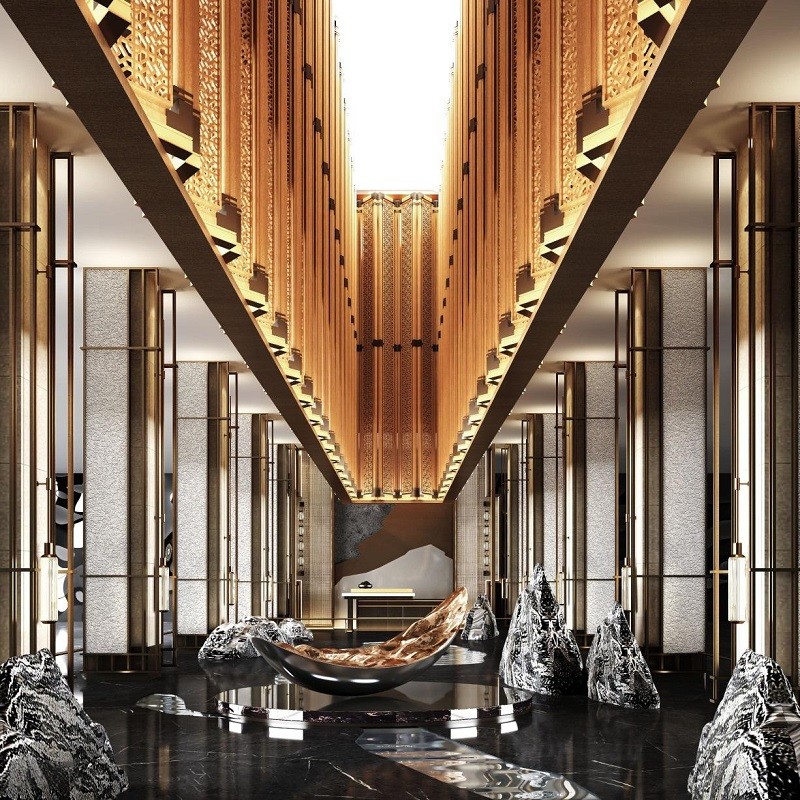
The hotel lobby is undergoing a profound transformation. No longer merely a transactional space for check-in and check-out, it has evolved into the strategic heart of the guest experience—a dynamic “third place” for work, socializing, and cultural immersion.
As we look toward 2026, hotel lobby furniture design is at the forefront of this evolution, driven by shifting guest expectations, technological integration, and a heightened focus on sustainability and well-being. This analysis explores the key trends shaping the future of hotel lobby furnishings and their implications for the hospitality market.
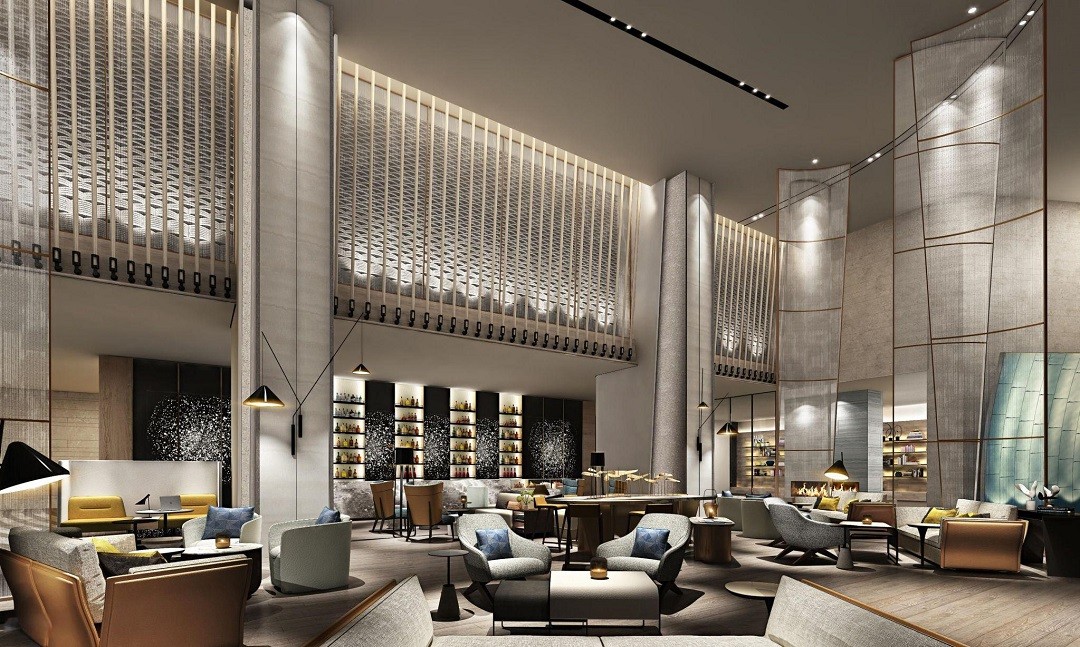
1. Biophilic Design & Organic Materiality
Now People emphasis on health and connection to nature continues to dominate. In 2026, biophilic design moves beyond potted plants to become intrinsic to furniture form and substance.
Trend Manifestation: Furniture will feature deeply organic, asymmetric shapes inspired by natural formations—chairs resembling smoothed river stones, tables with undulating, free-form bases, and textiles mimicking bark textures or coral structures. The material palette will be rich and authentic: cerused oak showing its grain, travertine and terrazzo with visible aggregates, live-edge wood slabs, and rammed-earth accents. Upholstery will favor natural fibers like linen, hemp, wool, and even innovative materials derived from seaweed or mushroom mycelium.
Market Driver: The wellness tourism sector, projected to grow exponentially, demands spaces that reduce stress and enhance cognitive restoration. Furniture that evokes nature directly supports this, allowing hotels to command premium rates by offering an oasis of calm. It also aligns with corporate sustainability goals, as these materials are often sourced responsibly and have lower VOC emissions.
2. Adaptive, Multi-Functional Zones & Furniture
The lobby as a multi-purpose hub requires furniture that is inherently flexible. The rigid, formal seating group is becoming obsolete.
Trend Manifestation: Expect to see modular seating systems that can be easily reconfigured by staff or guests—from intimate conversation nooks to larger gathering circles for events. Lightweight, mobile pieces like acoustic poufs on casters, nesting side tables, and convertible sofa-benches will be essential. Furniture will double function: a lounge chair with an integrated, detachable work tray.
Market Driver: This trend responds to the blending of traveler segments—bleisure (business + leisure) travelers need to transition seamlessly from laptop work to casual meetings. allowing a single space to serve multiple revenue-generating functions (co-working by day, cocktail bar by evening). Hotels can cater to local communities as co-working or social venues, turning the lobby into a profit center.
3. Tech-Embedded & Power-Integrated Furnishings
Digital connectivity must be seamless and unobtrusive. By 2026, charging ports will be a basic expectation; the focus shifts to integrated technology that enhances comfort and personalization.
Trend Manifestation: Wireless charging will be seamlessly embedded in tabletops, armrests, and side surfaces. Furniture will incorporate discreet, built-in LED lighting for task use or mood setting. More advanced integrations may include bluetooth-connected tables that allow guests to pair their devices to control the immediate environment. Acoustic furniture—panels, pods, and high-backed chairs with sound-absorbing materials—will be crucial for creating privacy in open plans.
Market Driver: This addresses the core need of the always-connected traveler for convenience and control. It elevates the guest experience from functional to futuristic, fostering positive reviews and social media shares. For hotels, integrated tech can provide valuable data on space utilization and enable frictionless upselling of services.
4. Bold Artistic Statements & Craft Revival
In reaction to generic, cookie-cutter design, hotels are using lobby furniture as curated art to establish a unique identity and sense of place.
Trend Manifestation: This involves commissioning or sourcing one-of-a-kind or limited-edition pieces: sculptural central sofa that becomes an Instagram landmark; custom carpets with bold, artistic patterns; artisan-crafted ceramic side tables or blown-glass chandeliers. There’s a strong emphasis on textural contrast—polished metal against rough-hewn stone, glossy lacquer juxtaposed with matte, hand-woven textiles.
Market Driver: In an oversaturated market, distinct design is a powerful differentiator. It attracts clientele seeking authentic, culturally rich experiences and allows hotels to tell a local story. This trend supports the “craft economy” and can be a pillar of a hotel’s sustainability narrative by valuing longevity and artistry over mass production.
5. Hyper-Localism & Material Narratives
The story behind the furniture becomes as important as its function. Guests seek a genuine connection to the locale.
Trend Manifestation: Furniture will be sourced or crafted within a few hundred miles of the property. It might use wood from sustainably managed regional forests, textiles woven by local artisans using traditional techniques, or metals and stones quarried locally. The design itself may reflect local architectural heritage or landscapes.
Market Driver: This trend powerfully appeals to conscious consumers and fulfills ESG (Environmental, Social, and Governance) commitments by reducing transport carbon footprints and supporting local economies. It creates a compelling marketing narrative that enhances brand authenticity and guest loyalty.
6. Comfort-Centric, Residential Aesthetics
The line between luxury hotel and luxury home continues to blur. The lobby must feel like an aspirational, yet incredibly comfortable, living room.
Trend Manifestation: Oversized, deep-seated armchairs and plush, sink-in sofas with high, enveloping backs will prevail. Upholstery will prioritize tactile, inviting fabrics like velvets, bouclés. The layout will feel less curated and more organic, encouraging guests to linger.
Market Driver: This directly responds to the “home-away-from-home” desire, particularly among long-stay guests,Comfort is a non-negotiable pillar of positive reviews and direct bookings.
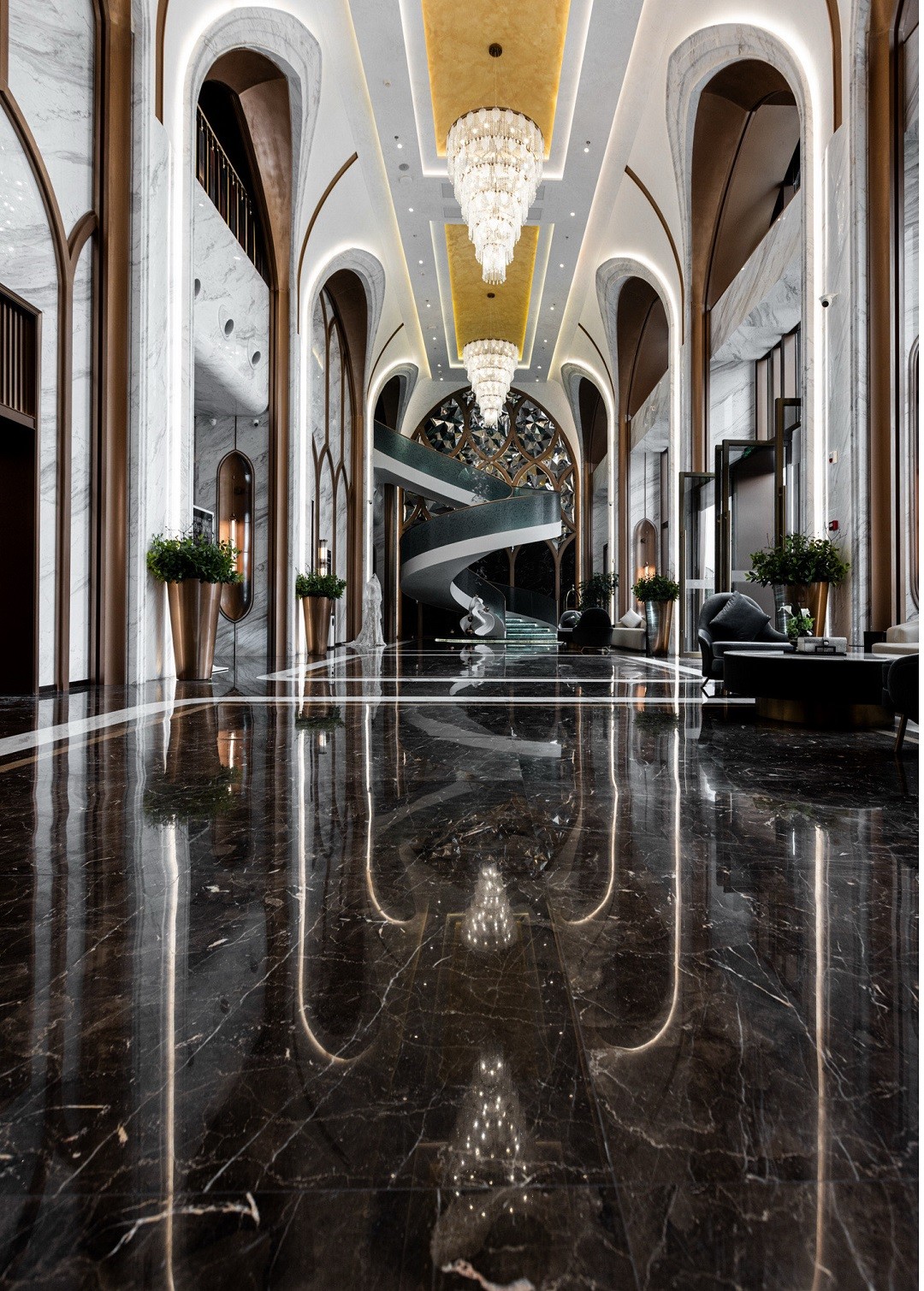
Market Analysis & Strategic Implications
The convergence of these trends points to a hospitality market where experience is the ultimate product. Furniture is no longer just a capital expenditure but a critical tool for brand positioning, revenue generation, and guest satisfaction.
For Hotel Developers & Owners:
The investment is shifting toward higher-quality, durable, and design-forward pieces. The focus is on Total Cost of Ownership (TCO)—pieces must be adaptable to changing trends, incredibly durable to withstand 24/7 use, and easy to maintain. Partnering with furniture designers and manufacturers early in the architectural process is crucial to integrate technology and flexibility seamlessly.
For Hotel Furniture Manufacturers:
The market demands customization, sustainable material innovation, Successful players will act as partners, offering modular systems and repairable designs that support a circular economy. Collections must tell a story about material provenance and craft.
For Hotel Operators:
Hotel Lobby furniture must be “operationalized.” Staff need training to reconfigure spaces for different dayparts. The design must facilitate easy cleaning, Every piece of furniture should be conceived as part of a holistic journey—from the first Instagram snapshot to the comfortable hour spent working or socializing.
Conclusion
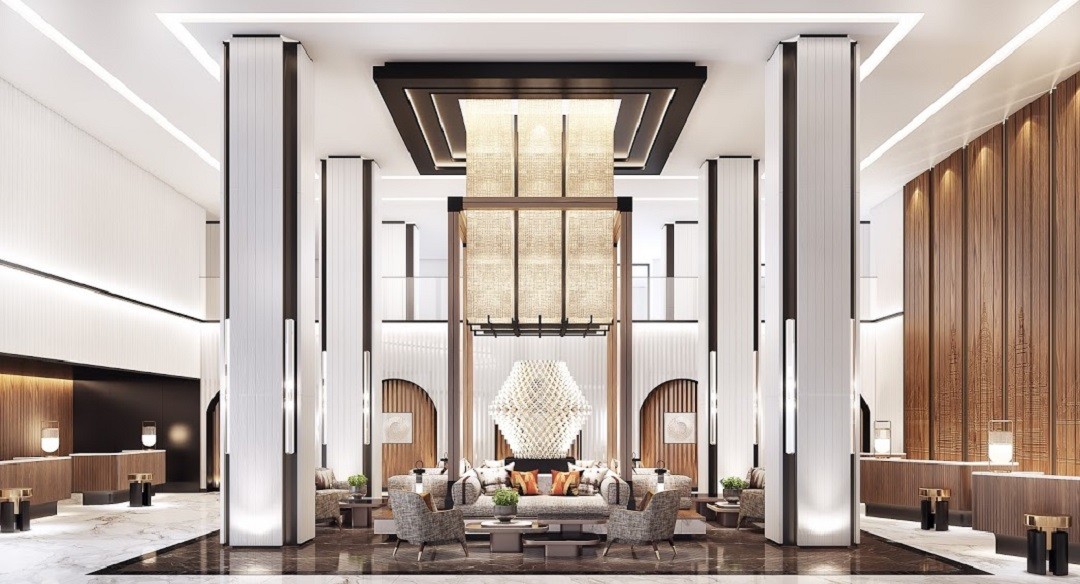
The 2026 hotel lobby will be a sensorial, adaptable, and deeply human-centered environment. Its furniture will be the physical embodiment of a hotel’s philosophy—blending nature with technology, artistry with comfort, and global standards with local soul. Hotels that successfully implement these design trends will not just create beautiful spaces; they will forge emotional connections, foster community, and build resilient brands poised for success in the competitive landscape of the future. The lobby, through its very furnishings, will eloquently announce: “This is who we are, and we designed this experience just for you.”