A Strategic Guide To Furniture Selection For European Five-Star Hotels
- Share
- publisher
- Karam Spaces
- Issue Time
- Apr 22,2026
Summary
Strategic furniture selection for European five-star hotels demands contract-grade quality, EU regulatory compliance (FSC, REACH), bespoke design, and partnerships with local artisans.
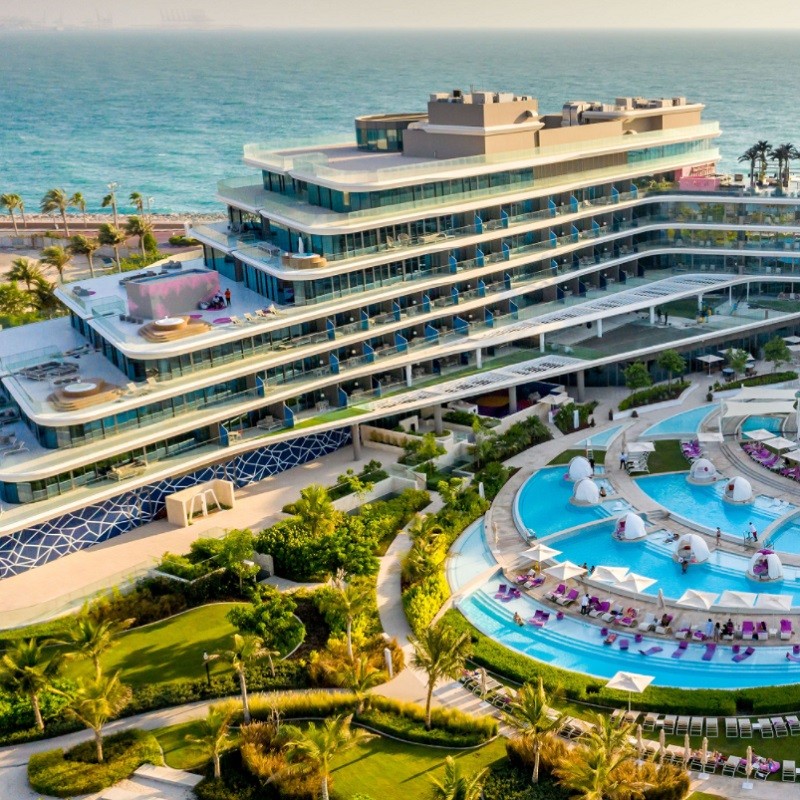
For European five-star hotels, furniture selection transcends operational necessity—it is a strategic investment that defines guest experience, reinforces brand identity, and delivers long-term value. Unlike residential or standard commercial furnishings, luxury hospitality furniture must withstand continuous use across diverse climates while aligning with exacting aesthetic expectations and stringent regulatory frameworks. This guide explores the essential considerations for procuring furniture that meets the uncompromising standards of Europe‘s most prestigious hospitality properties.
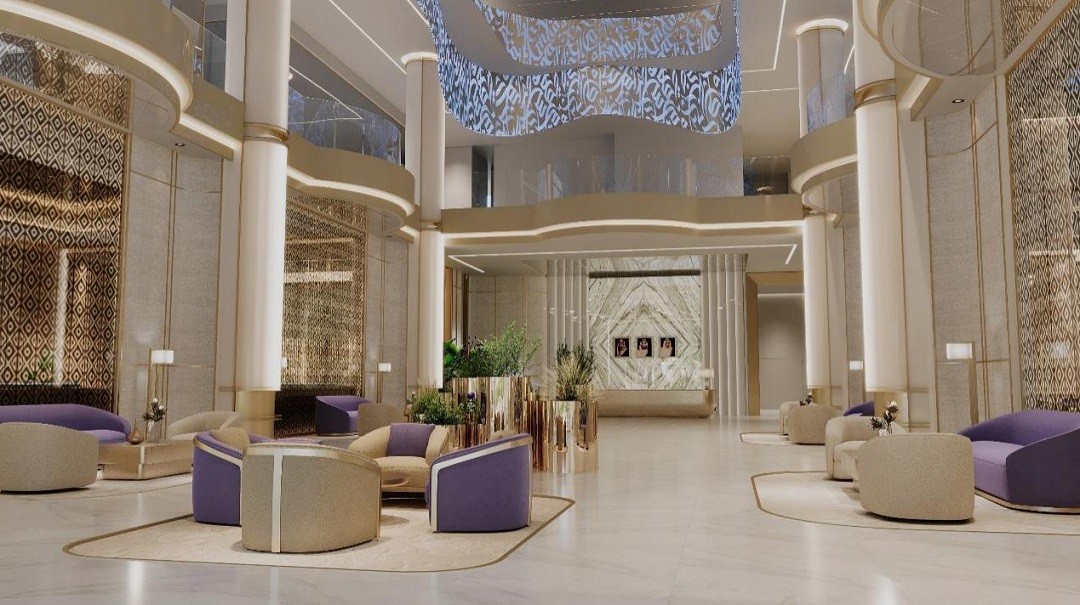
Uncompromising Quality and Performance
Guest-facing furniture in five-star hotels is subjected to relentless daily wear. Procurement specialists must prioritize commercial-grade, contract-rated furniture engineered for high-traffic environments. Key performance indicators include frame material quality—solid kiln-dried hardwoods such as oak, walnut, and teak are industry benchmarks for structural integrity. Upholstery textiles should demonstrate abrasion resistance exceeding 30,000 Martindale rubs for high-use seating, backed by third-party testing reports from accredited laboratories. High-resilience foam (minimum 35–45D density) ensures seating maintains its form and support over years of operation. Hardware components must be tested for at least 50,000 operational cycles, featuring soft-close mechanisms and corrosion-resistant finishes suitable for both indoor lobbies and humid poolside environments.
Sustainability and Regulatory Compliance
Environmental responsibility has become a definitive purchasing criterion for Europe’s luxury hospitality sector. A substantial majority of travelers now actively choose hotels with verified eco-practices and demonstrate willingness to pay premium rates for sustainable accommodations. For properties targeting LEED or BREEAM certifications, furniture must be specified to meet rigorous environmental standards.
Material sourcing demands particular attention. FSC-certified wood guarantees responsible forestry practices, while suppliers must demonstrate compliance with the EU Deforestation Regulation (EUDR), which mandates verification of legal and deforestation-free timber origins. Chemical compliance under REACH regulations requires furniture to meet formaldehyde emission limits of E1-grade or better (≤0.1 ppm) and adhere to restricted substance thresholds. Fire safety remains paramount: upholstered seating must satisfy EN 1021-1/2 for cigarette and match ignition resistance, with EN 13501-1 classification confirming appropriate fire-performance ratings. These certifications are not optional—they are baseline requirements for market access across the continent.
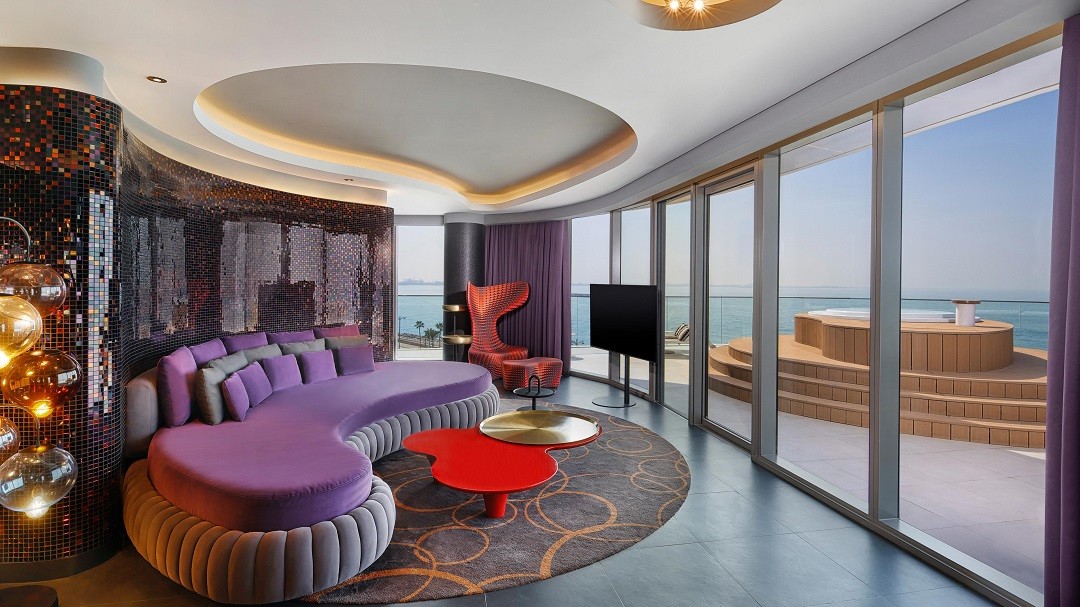
Why European Manufacturers Lead the Segment
European hotel furniture manufacturers distinguish themselves through centuries of artisanal tradition, relentless design innovation, and rigorous quality standards that mass producers cannot replicate. The continent offers diverse aesthetic traditions—from Italian artistic craftsmanship to German precision engineering, French sophistication to Scandinavian functionalism—all underpinned by strict regulatory environments that ensure safety and environmental integrity.
Engaging with established European manufacturers delivers distinct advantages. Lead times typically range from 8–12 weeks for bespoke projects, supported by efficient EU distribution networks that facilitate seamless logistics. Beyond convenience, these partnerships provide access to premium materials, superior joinery techniques, and comprehensive warranties that reflect manufacturer confidence in long-term product durability. Leading Italian firms such as Poliform Contract, operating near Milan, deliver fully integrated design concepts that unify guest-room aesthetics with public spaces. Portuguese manufacturers like Fenabel exemplify the sector’s commitment to sustainability, operating solar-powered facilities with zero-waste wood management and recycled fabric selections. German and Austrian producers bring precision engineering to casegoods and seating, while French craftsmanship is renowned for its refined upholstery and finish work. For five-star hotels seeking unique character, specialist ateliers produce bespoke handcrafted pieces featuring gold leaf, solid walnut, and marble—investments that appreciate in both monetary and experiential value over time. The resulting furniture becomes not merely functional but a defining expression of the hotel’s identity.
Customization and Brand Aesthetic
Five-star hotels increasingly reject standardized catalogue products in favor of bespoke furniture that embodies their unique design narrative. Effective procurement begins with establishing a cohesive brand identity that flows consistently from porte cochère through lobby, public areas, and guest rooms. Customization extends beyond fabric selection and color palettes to encompass unique dimensions tailored to specific room layouts, signature joinery details, and integrated brand elements.
Theme-based furniture adoption has grown substantially among resort properties, with hotels incorporating local cultural motifs and artisan collaborations to enhance differentiation. On the French Riviera, hotels incorporate rattan and brass elements; properties in Northern Portugal use granite, dark wood, and earth-tone upholstery that reflect regional authenticity. This approach transforms furniture into a medium for storytelling—a tangible connection to place that discerning guests increasingly value.
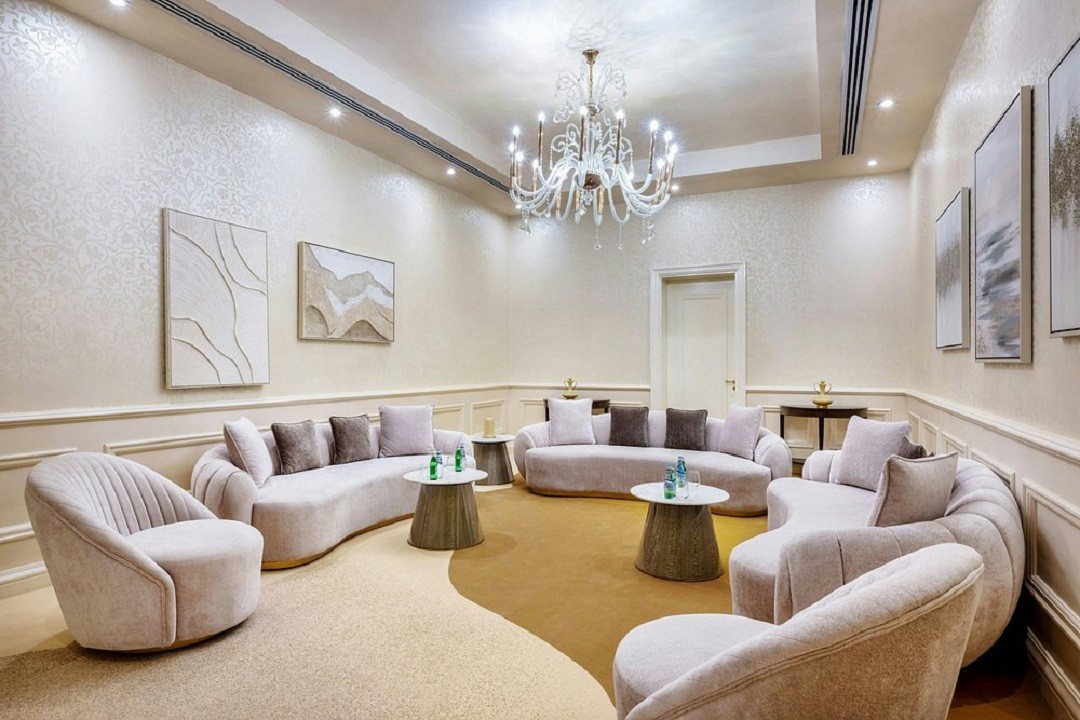
Emerging Design Trends for 2026 and Beyond
Several trends are reshaping furniture specification for European luxury hotels. Biophilic design principles integrate natural materials such as stone, rattan, and organic wood finishes to blur indoor-outdoor boundaries and promote guest well-being. Curved, organic silhouettes are replacing rigid geometric forms, creating softer, more inviting atmospheres. Technological integration—wireless charging surfaces, discreet USB ports, and IoT-enabled maintenance monitoring—is becoming standard in premium hospitality furniture, enhancing guest convenience without compromising aesthetic tranquility.
Modular adaptability addresses evolving operational needs: configurable seating systems allow public areas to transform seamlessly from daytime co-working settings to evening social lounges. Hotels on the French Riviera are incorporating rattan and brass elements, while properties in northern Portugal use granite, dark wood, and earth-tone upholstery.
Conclusion
Furniture selection for European five-star hotels demands a sophisticated procurement approach grounded in quality, compliance, design authenticity, and long-term value. The right furniture is neither expense nor afterthought—it is a strategic asset that elevates guest satisfaction, drives positive reviews, and commands premium nightly rates. By prioritizing contract-grade durability, EU regulatory compliance, partnerships with established European manufacturers, and thoughtful customization that reflects brand narrative, hotel owners and procurement professionals can create interiors that define luxury hospitality excellence for decades to come.