Banquet Furniture: What Procurement Often Discovers Only After Delivery
- Share
- publisher
- Karam Spaces
- Issue Time
- Nov 12,2026
Summary
Banquet seating is bought once but handled every day. This guide for luxury hotel procurement teams sets out the four specifications that only reveal themselves after delivery — stacking height, weight per chair, floor-contact material and trolley compatibility — and shows how to write them into the brief before approval. From Karam Spaces, a hotel furniture manufacturer working with luxury hotels, resorts and convention properties.
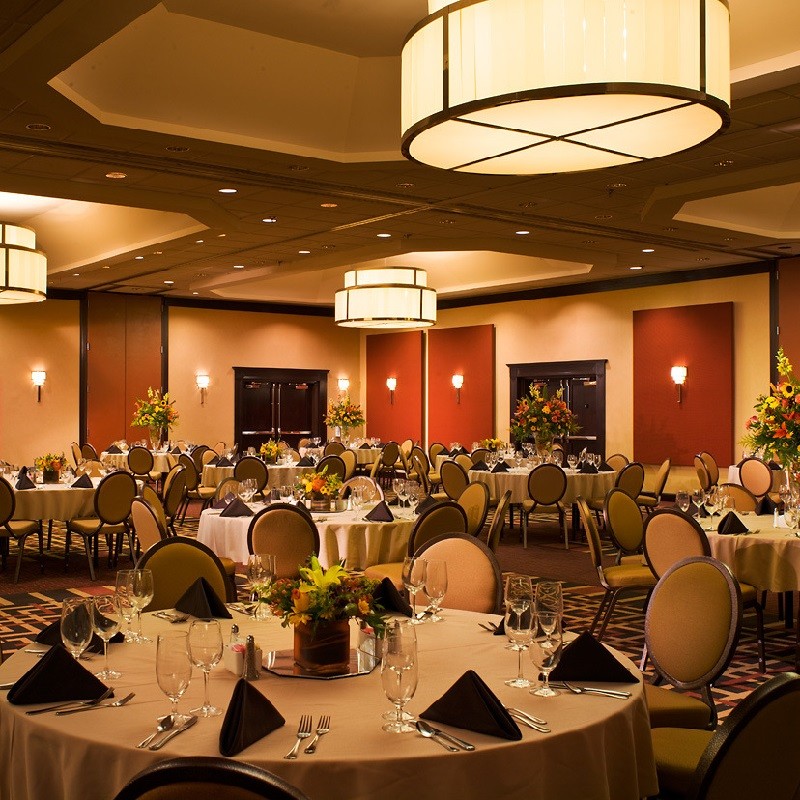
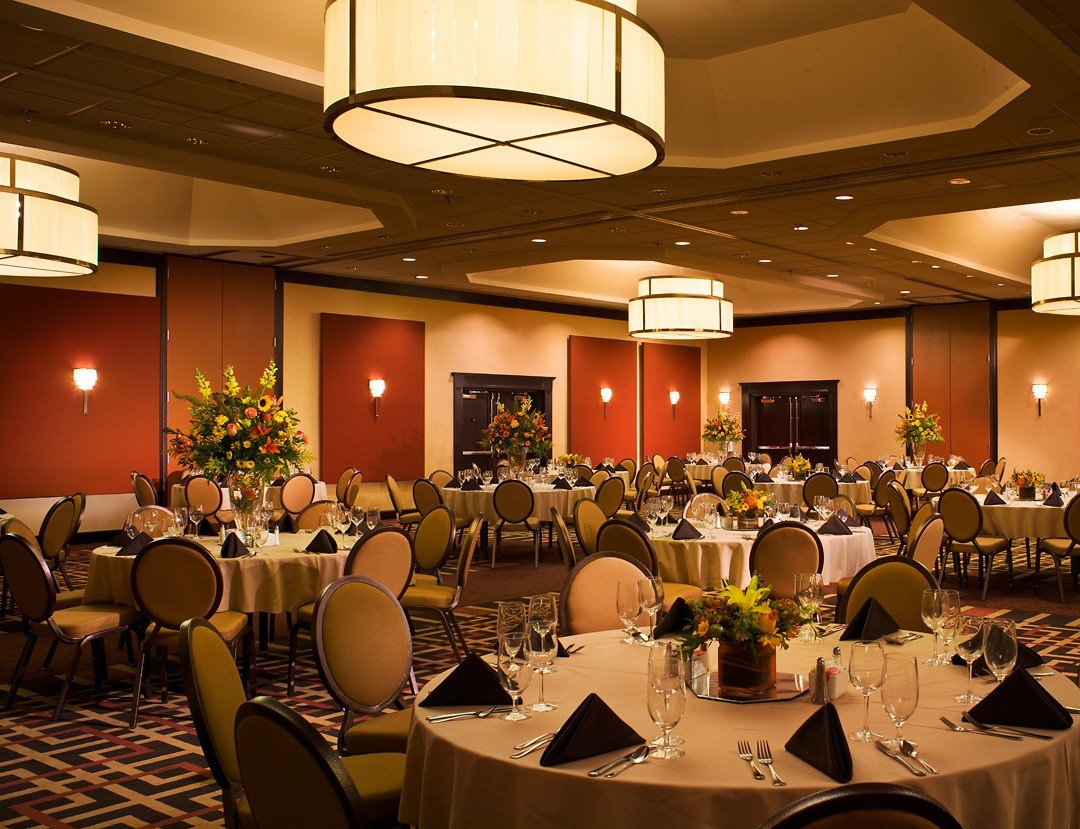
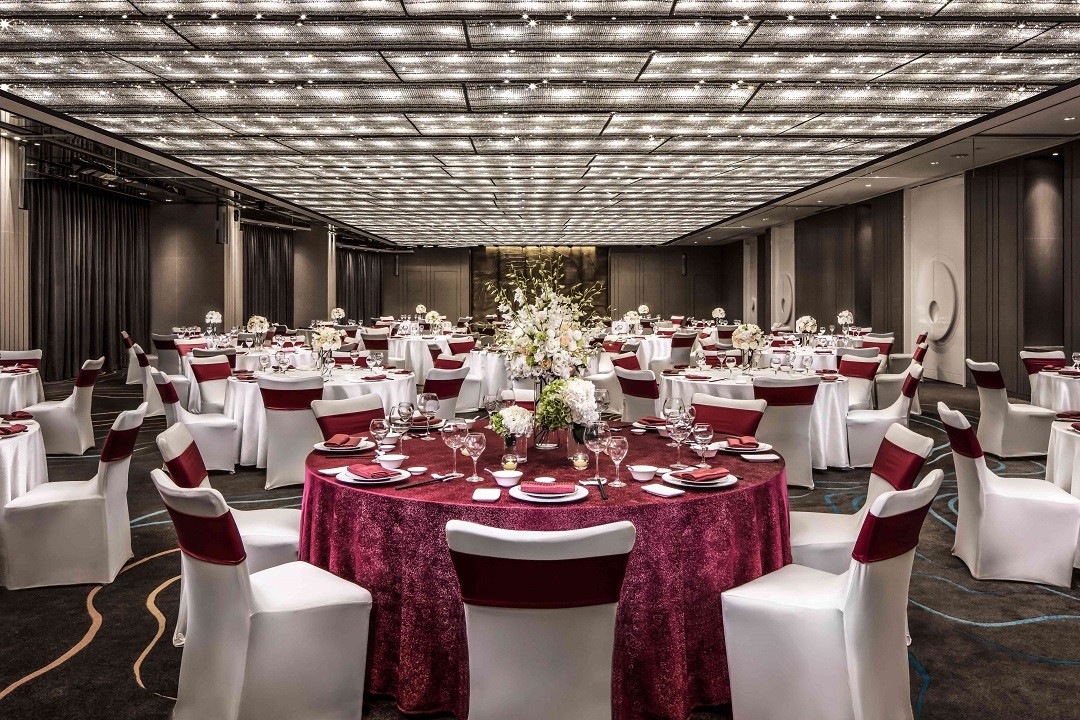
The chairs arrive. The finish is right, the fabric matches the mood board, and the ballroom photographs beautifully. Then the operations team tries to put 400 of them away. That is the moment the real conversation begins. A banquet chair is specified in a meeting room, but it is moved, stacked, unstacked, trolleyed, and stored by a different team, hundreds of times a year, for a decade or more. Almost none of that daily reality appears in the purchase order. For luxury hotel operators, the gap between what procurement buys and what housekeeping and banqueting teams actually live with is where budgets quietly break. The purchase price is paid once. The handling cost is paid forever. And the four specifications that decide which side of that line a hotel lands on are rarely written into the brief until it is too late. Luxury hoteliers do not need to be convinced that ballroom seating matters. They already know the chairs are guest-facing. What often gets missed is that the same chair is also staff-facing, storage-facing, and floor-facing — every single day. A chair that weighs two kilograms more than it needs to does not look different on the showroom floor. But multiplied by 500 chairs, moved twice a day, three hundred days a year, that weight becomes a staffing question, a fatigue question, and a retention question. A chair that stacks eight high instead of ten does not announce its storage penalty at the point of approval. It reveals it six months later, when the hotel realises it needs a second storage room that was never in the floor plan. This is why the most useful procurement conversations about hotel banquet furniture do not begin with unit price. They begin with handling. Stacking height is usually treated as a line item. In practice, it is a space-planning decision. The difference between a chair that stacks eight high and one that stacks ten high is not a marginal dimension. It changes how many chairs fit in the room you have, whether a secondary storage location becomes necessary, and how high a team member must lift to place the top chair on the stack. In a luxury property where ballroom storage is already competing with back-of-house circulation, that difference can alter the floor plan. Stacking height also has a stability dimension. Chairs that nest cleanly and remain stable when moved reduce frame-to-frame contact, protect upholstery, and make trolley loading faster. A stack that feels uncertain at height slows the setup team down — and speed matters when a ballroom has to turn from a gala dinner to a morning conference in under an hour. When you specify banquet seating for a five-star property, treat stacking height as an operational metric, not a product attribute. It determines storage volume, lift height, and changeover tempo all at once. There is a persistent assumption in furniture procurement that heavier means better. In banquet seating, heavier usually means more expensive — in labour, every day, for the life of the chair. A hotel banquet chair that is moved by two people instead of one doubles the handling time on every setup. That doubling compounds across every event, every floor, and every shift. Lighter chairs are not automatically weaker, provided the frame is engineered for commercial movement: welded steel or aluminium construction, reinforced joints, and handling points designed for gloved hands rather than showroom aesthetics. The practical question is not “How heavy is this chair?” but “What can our operations team manage, repeatedly, without fatigue becoming a safety issue?” Ask the banqueting manager, not just the purchasing manager. The answer should shape the specification before the sample is approved. Ballroom floors are among the most expensive and most visible surfaces in a luxury hotel. The point where a banquet chair meets that floor — glides, caps, the underside of a stacking rail — is where damage originates. It is also one of the least specified components in the entire seating package. A glide that is too hard can mark timber or scratch stone. One that is too soft can leave residue on carpet or fail under repeated load. And when wear does occur, the question that matters is whether the contact part can be replaced without replacing the chair. For banquet furniture in a high-use luxury property, specify three things: what touches the floor, what that material is made of, and whether it is replaceable. Housekeeping and maintenance teams will notice the difference long before guests do — which is exactly the point. The most common post-delivery discovery in banquet furniture is not a design flaw. It is a fit problem. The new chairs do not sit correctly on the trolleys the hotel already owns. Trolley dimensions, stacking geometry, and chair footprint interact as a single transport system. If they are not checked against each other before the order is placed, the result is a recurring daily friction: chairs that wobble in transit, stacks that need re-loading, and a setup team that loses minutes on every movement. Before approving a stackable banquet chair, measure the trolley you already use. Confirm the loaded stack height, the trolley footprint, and the narrowest point on the route between storage and ballroom. This is a five-minute check. It prevents a problem that will otherwise be repeated at every event for years. The four checks above translate into four lines in the specification, alongside dimensions and finishes: State the number and verify it against the storage ceiling and the lift height your team can safely manage. Specify a handling weight, not just a frame material. Test it with the operations team, not only the design team. Name the glide or cap material and confirm that the part is available as a spare. State the trolley model the chairs must fit, and require the manufacturer to confirm compatibility before production. These four specifications do not replace aesthetic judgment. They sit alongside it. The chair that photographs well and the chair a luxury hotel team can move efficiently are not always the same chair — but a Hotel Furniture Manufacturer who understands both can make them one. Karam Spaces supplies banquet and event seating for hospitality projects, and specifies stacking height, weight, floor-contact material, and trolley compatibility alongside the usual dimensions and finishes. That is not a marketing position. It is a manufacturing discipline. As a Hotel Furniture Manufacturer working with luxury hotels, resorts, and convention properties, Karam Spaces builds Banquet Furniture Solution packages around the operational realities that appear after delivery: storage volume, handling labour, floor protection, and transport compatibility. The goal is not simply a chair that meets a design intent, but a seating system that a banqueting team can run efficiently for the life of the property. Every Karam Spaces banquet seating specification is available for discussion against the actual storage rooms, trolleys, and floor surfaces of the property — because the four checks that matter most are the ones procurement discovers only after the truck has left. If you are planning a banquet furniture procurement for a luxury hotel, resort, or convention property, the most valuable next step is not a catalogue request. It is a specification review. Send Karam Spaces your storage constraints, trolley dimensions, and ballroom floor-contact requirements. Our team will work with you to confirm stacking height, handling weight, floor-contact material, and trolley compatibility before a single chair is approved — so the conversation after delivery is about how well the seating is performing, not about what was missed. Contact Karam Spaces to start a banquet seating specification review for your property.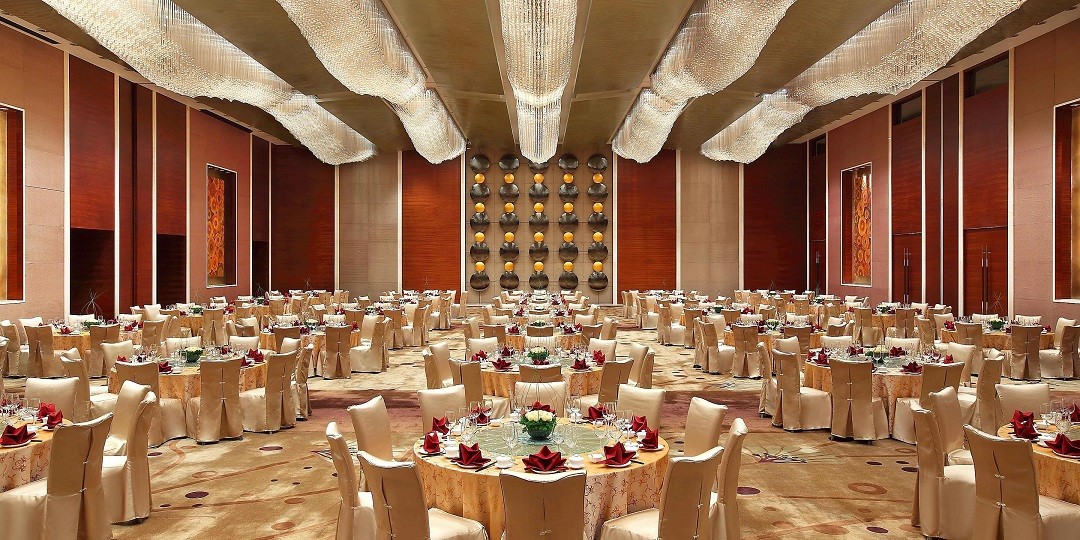
Four Specifications That Decide Life After Delivery
Stacking Height: The Specification That Redesigns Your Storage Plan
Weight per Chair: A Staffing Decision Disguised as a Quality Signal
Floor Contact: Where Luxury Ballroom Damage Actually Happens
Trolley Compatibility: The Five-Minute Check That Prevents a Daily Problem
What Luxury Hotel Operators Should Put in the Banquet Furniture Specification
Stacking height per chair.
Weight per chair.
Floor-contact material and replaceability.
Trolley compatibility.
How Karam Spaces Specifies Banquet Furniture for Luxury Hotel Operations
Let’s Specify Your Banquet Seating Against Your Operations, Not Just Your Mood Board