Fire Performance Of Hotel Furniture: The Three Dimensions To Check Before You Specify
- Share
- publisher
- Karam Spaces
- Issue Time
- Nov 2,2026
Summary
Three critical fire‑performance dimensions for luxury hotel & resort furniture: applicable jurisdiction standards, actual tested furniture assembly, and valid third‑party test evidence.
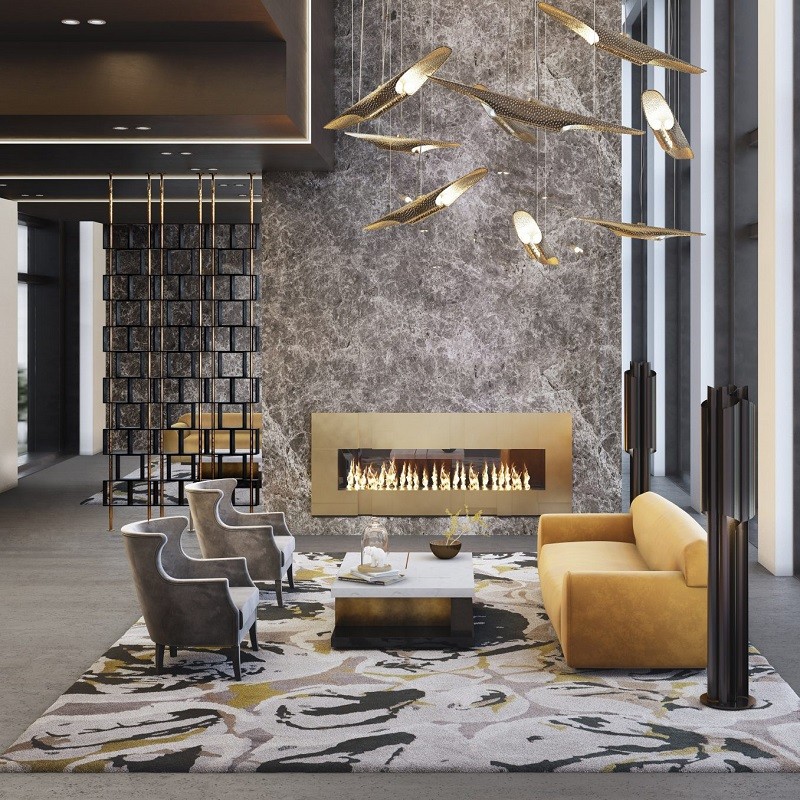
For luxury‑grade star hotels and high‑end resort projects around the world, specifying upholstered FF&E requires far more than selecting attractive textures, comfortable cushioning, or premium finishing. Fire performance represents one of the most critical non‑negotiable risk points for hotel operators, procurement managers, interior designers and project stakeholders. Many specifiers mistakenly treat fire rating as a static property of fabric material alone. In reality, fire performance of hospitality furniture is never just one single number or a standalone certificate. It is a combined outcome driven by local jurisdiction requirements, full furniture assembly construction, and real‑world end‑use application. As an experienced hotel furniture manufacturer delivering complete hotel furniture solution for global luxury hospitality clients, Karam Spaces frequently encounters compliance gaps created by incomplete fire documentation during project tender and material submission phases. If you rely only on a generic fire certificate without digging into three core dimensions, your finished resort or hotel fit‑out may look fully documented yet fail actual regulatory or brand‑mandated safety audits.
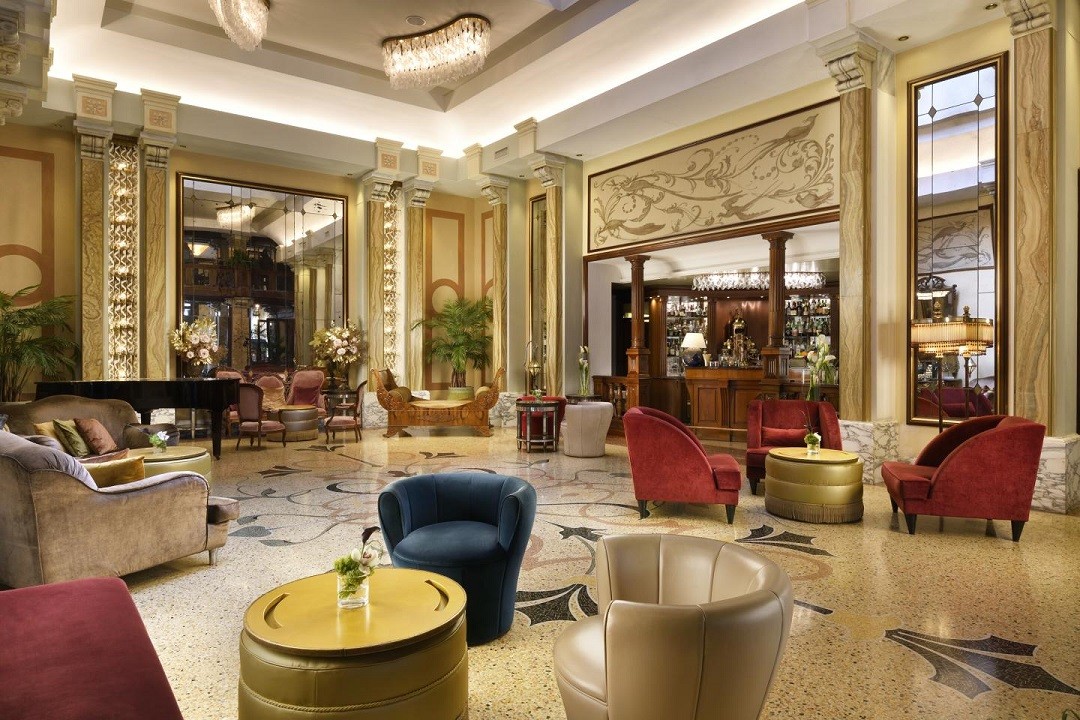
Why There Is No Universal One‑Size‑Fits‑All Fire Rating For Hotel FF&E
Procurement teams for international hotel groups often ask suppliers for “the fire rating” as if this metric is an inherent feature of upholstery fabric. This common misunderstanding creates costly project delays and compliance vulnerabilities. Fire safety performance is evaluated on a fully tested assembly against standards defined by local jurisdiction. Most major luxury hotel brands enforce internal specification rules that tighten safety thresholds above legal minimum local codes. This explains why the exact same upholstery fabric can pass compliance for one resort location while being fully rejected for another overseas property. Even seemingly complete certification documents can omit vital testing context, leaving your multi‑million‑dollar hospitality project exposed to safety liabilities. Working with a professional hotel furniture manufacturer helps you navigate these cross‑border complexities from early design specification onward.
The Three Core Dimensions To Evaluate When Specifying Fire‑Safe Hotel Furniture
Dimension 1: Confirm Which Fire Standard Applies To Your Exact Hotel Or Resort Property
Applicable fire standards are determined primarily by the geographical location of your hospitality asset. On top of local government codes, nearly all premium star‑rated hotel operators publish brand‑specific material specifications which often demand stricter fire test benchmarks. Well‑known global benchmarks include EN 1021 series, BS 7176, CAL TB 117‑2013, and NFPA 260, yet requirements get revised periodically over time.
A very frequent pitfall among project specifiers is re‑using certification paperwork sourced from previous projects completed for different markets. A report compliant for a European beach resort will not automatically satisfy requirements for a North American city‑centre five‑star hotel. Before locking orders for your fire resistant hotel furniture fabrics and seating systems, always cross‑check against the operator’s latest active specification document for this individual project, rather than referencing outdated past‑project files.
Red flag to watch: Submitting a fire certificate originally issued for a separate market or old project without validation against current project rules.
Dimension 2: Verify What Exact Furniture Assembly Underwent Fire Testing
This dimension is most commonly overlooked during hospitality procurement. Fire laboratory assessments can run on three distinct set‑ups: cover fabric in isolation, foam padding material alone, or the complete finished composite assembly combining foam plus upholstery cover — the exact physical configuration hotel guests will sit and interact with every day.
For upholstered sofas, banquettes, lounge chairs and resort seating, composite assembly testing delivers the only meaningful real‑world safety result. Foam substrate and outer fabric interact chemically and thermally during fire exposure. A fabric achieving acceptable performance when tested alone may generate drastically different burn behaviour once layered onto a particular foam grade. Smoke toxicity and flame spread behaviours shift once materials are combined. Any certificate failing to clearly document which physical configuration completed testing cannot give you reliable compliance assurance for your hotel furniture solution.
Red flag to watch: Test reports with undefined or blank testing scope, offering no clarity whether fabric‑only, foam‑only or full composite samples were evaluated.
Dimension 3: Define Acceptable Evidence Documentation Before Final Specification
Decide your formal acceptance criteria for compliance proof at specification stage, long before tender evaluation and sample approval cycles commence. Valid proof consists of complete original test reports released by an accredited named independent laboratory. The documentation must explicitly list the referenced fire standard, exact tested assembly configuration, and valid test issue date.
A supplier‑issued self‑declaration document cannot substitute for third‑party lab test reports. Another easy‑to‑miss risk factor concerns standard version status. Older test reports referencing withdrawn, superseded editions of fire standards carry zero valid compliance weight for modern hotel projects. Luxury hotel and resort operators regularly reject material submissions relying on obsolete standard versions, triggering costly rework and project schedule slippage.
Red flag to watch: Relying exclusively on supplier self‑declaration documents without supporting third‑party laboratory test evidence.
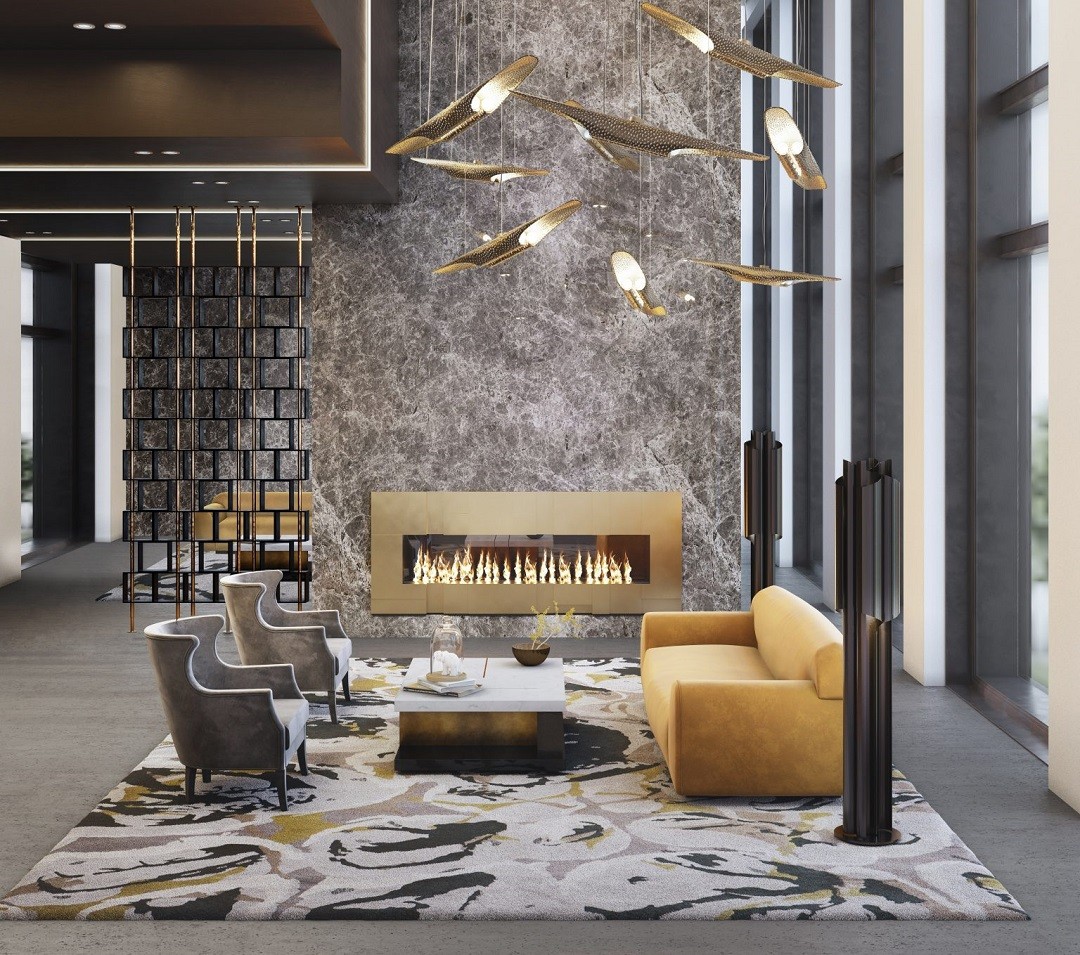
Key Differences Between Indoor And Outdoor Hospitality Seating Fire Requirements
Terrace, pool deck and beach resort outdoor furniture brings unique operational considerations including constant UV exposure, regular chemical cleaning cycles, and potential proximity to outdoor grills, patio heaters and fixed cooking appliances. The same three‑dimension evaluation framework still applies for outdoor FF&E. However, applicable fire codes, permitted test assemblies and material constraints diverge significantly from indoor upholstered furniture rules.
Specifiers should never simply extend an indoor furniture specification across outdoor terrace zones. Outdoor hotel seating deserves separate, dedicated fire‑performance specification work. As a professional hotel furniture manufacturer, Karam Spaces handles full‑scope indoor and outdoor seating systems tailored for five‑star resorts, ensuring each product line matches location‑specific fire and environmental requirements.
Practical Guidance: Write Fire‑Performance Requirements Directly Into Your Project Specification
You can eliminate nearly all compliance ambiguity by adding three clear written clauses within your drawing notes or material schedule documentation. Include: 1) exact fire‑safety standard required for this project; 2) required test assembly configuration (fabric‑only, foam‑only or full foam‑and‑cover composite); 3) exact form of evidence documentation you will accept for material approval. These three straightforward clauses separate genuinely compliant installations from projects supported by incomplete paperwork only.
Quick Reference Checklist: Three‑Dimension Review Questions & Warning Signs
| Dimension | Key Question To Ask | Red Flag Condition |
|---|---|---|
| Jurisdiction & Standard | Which standard does the hotel operator’s current specification require? | Certificates reused from unrelated prior‑market projects |
| Tested Assembly | Was testing completed on cover fabric, foam material, or full composite assembly? | Test scope is missing or unspecified within report documentation |
| Proof & Evidence | Which accredited lab issued the report, what is its date, and which standard version is referenced? | Only supplier self‑declaration provided, no third‑party lab test records |
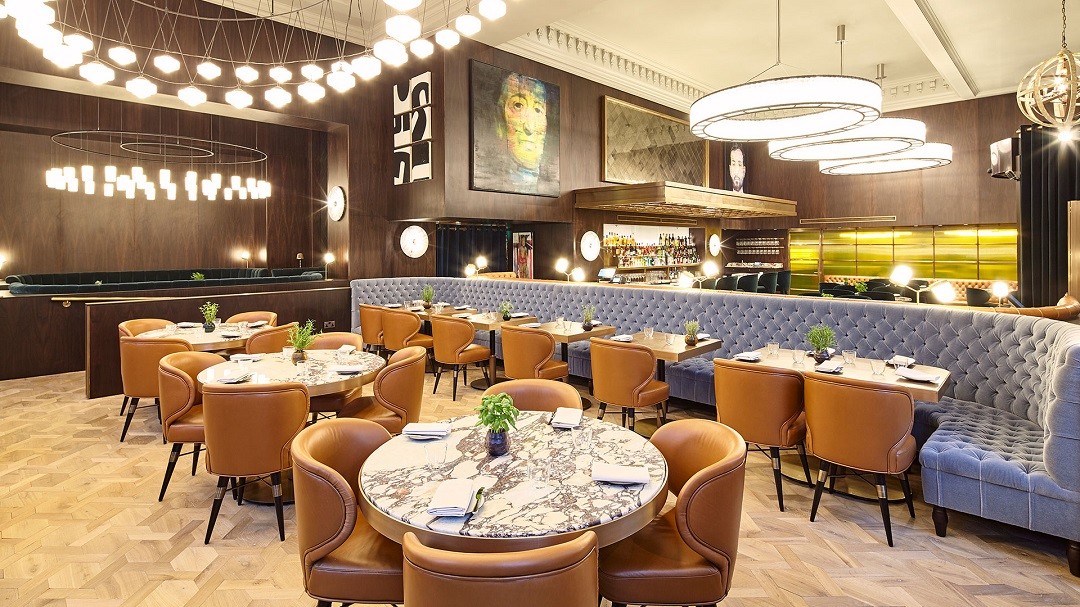
Frequently Asked Questions About Hotel Furniture Fire Compliance
Q: Which fire standard applies for my hotel or resort furniture project?
There exists no universal global fire standard for hospitality FF&E. Requirements are governed by local jurisdiction rules and supplemented by internal brand specifications that can exceed minimum legal obligations. Always refer back to the hotel operator’s current active specification documents for your specific property rather than copying standards used on past unrelated projects.
Q: Is using inherently fire‑retardant upholstery fabric sufficient by itself for hotel compliance?
Not automatically. For upholstered seating items used within star‑grade hotels and luxury resorts, valid safety assessment depends mostly upon testing the full foam‑plus‑cover composite assembly. Fabric performance measured in isolation cannot reliably predict real‑world fire behaviour once combined with particular foam substrates.
Q: Does receiving a fire‑compliance certificate guarantee full project compliance?
Certificates deliver valid assurance only when they clearly state the applied fire standard, exact tested assembly configuration, and issuing accredited laboratory name. Certificates lacking defined testing scope represent the single most common compliance gap seen within international hotel furniture procurement workflows.
Fire compliance for your luxury hotel and resort fit‑out is built on three deliberate specification decisions, and cannot rely solely on receiving one generic certificate document. When you embed standard requirements, assembly‑testing rules, and acceptable‑evidence rules directly into your tender documentation, you eliminate lengthy back‑and‑forth negotiation around safety compliance during material submission phases.
Speak With Our Team For Your Next Hotel Furniture Solution
As a trusted global hotel furniture manufacturer, Karam Spaces integrates all three fire‑performance dimensions for every custom upholstered indoor and outdoor hospitality product we produce for five‑star hotels and premium resort developments across the world. Our technical and project teams document full tested assembly information inside each material submission package, not only listing standard names. We understand cross‑border regulatory complexity, brand‑specific FF&E requirements, and common compliance pitfalls that delay hospitality projects.
If you are sourcing custom seating systems, banquettes, lounge furniture or full FF&E packages for your upcoming star‑hotel or luxury resort build or renovation project, share your project brief, target location, brand specification documents and fire‑safety expectations with our specialists. Our team will prepare tailored hotel furniture solution options including properly validated fire‑performance documentation ready for your material approval process. Reach out via our website contact page to start your project consultation today.