Hotel Furniture Color And Material Trends For 2026-2027
- Share
- publisher
- Karam Spaces
- Issue Time
- Oct 9,2026
Summary
2026-2027 hotel furniture color and material trends: warm neutrals, walnut, performance fabrics, sustainable materials, luxury curved seating.
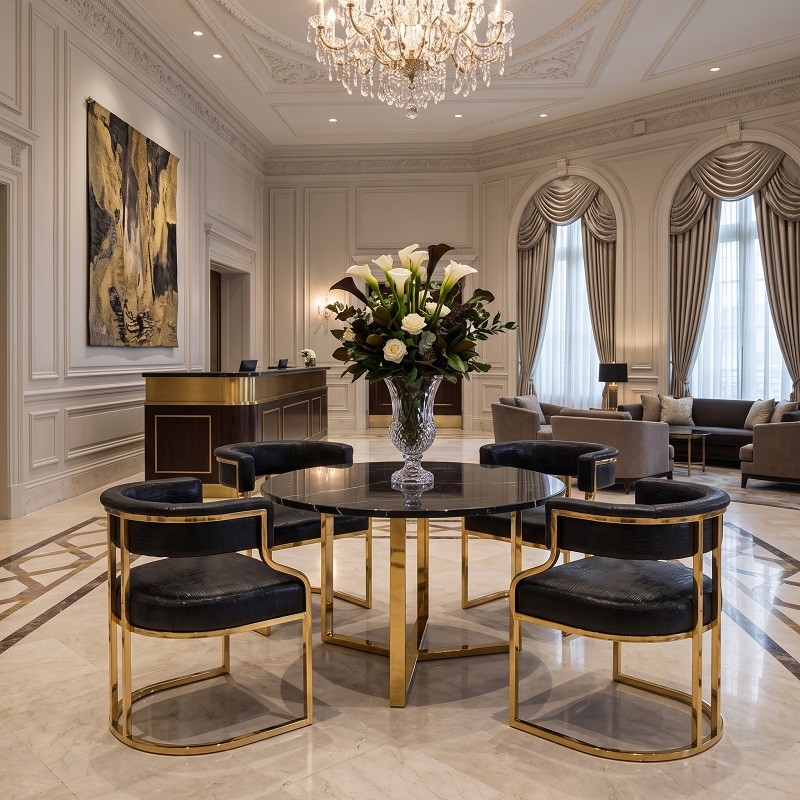
The hospitality industry is undergoing a profound aesthetic shift. After years of cool greys, sterile whites, and pared-back minimalism, luxury hotels and resorts worldwide are embracing warmth, texture, and material honesty. For procurement teams and designers specifying FF&E for the 2026-2027 cycle, understanding these shifts is not merely a matter of taste—it directly impacts guest satisfaction, maintenance budgets, and brand positioning.
At Karam Spaces, we have spent over two decades manufacturing furniture for five-star hotels and luxury resorts across the globe. As a Hotel Furniture Solution Provider, we work at the intersection of design ambition and operational reality. This guide distils the most significant color and material directions shaping hospitality interiors, with practical insight into what each trend means for your next project.
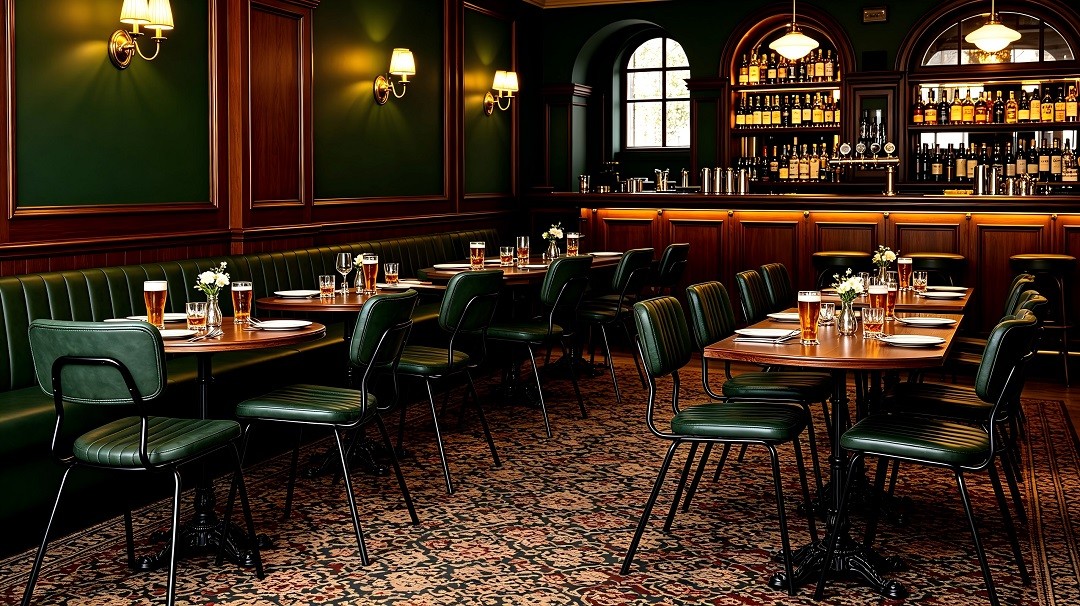
Warm Neutrals and Earth Tones: The New Hospitality Palette
The most consequential color shift in hotel furniture design for 2026-2027 is the movement away from cool greys toward warm, architectural neutrals. Across hotel brands, the palette consolidating is oatmeal, mushroom, clay, and deep green as anchor tones. Warm beiges, taupe, olive, and terracotta are replacing the cool greys of previous cycles, pairing naturally with natural oak and walnut finishes.
This is not simply an aesthetic preference. Warm neutrals show less dust and light soiling than stark whites, and mid-tone anchors hide wear longer than either black or cream. For housekeeping teams managing hundreds of rooms with tight turnaround windows, this is a meaningful operational advantage.
Hospitality interiors are embracing colours such as sand, taupe, espresso brown, olive green, terracotta, and deep burgundy. Smoky greens and earthy tones are creating spaces that feel grounded and welcoming. At BDNY 2025, designers observed a noticeable pivot toward richer, more vibrant earth tones—mossy greens, deep plums, caramels, and woven textiles.
For luxury resorts and high-end hotels, the practical implication is clear: specify warm neutral bases with mid-tone anchors that photograph well under LED lighting and maintain visual integrity across production batches. As a Leading Hotel Furniture Designer, we work with clients to lock colour standards using physical master samples and dye-lot tolerances, ensuring that the palette you approve in the showroom survives the journey to installation.
Hotel Furniture Material Trends: Performance Meets Tactility
Material selection in hospitality furniture has always balanced aesthetics with durability. What is changing in 2026-2027 is the degree to which performance is becoming non-negotiable—and how designers are finding ways to make it beautiful.
Walnut and Warm Timber
Walnut is emerging as the dominant accent wood in premium hotel renovations, with over 35% of projects specifying it as their primary accent wood—a substantial increase from just a few years ago. The appeal is both visual and practical: walnut's rich, warm neutral tone sits in a "sweet spot" between too warm and too cold, and darker, heavily grained woods mask minor scuffs and scratches far better than pale veneers or white laminate.
Warm natural wood tones—natural oak, warm oak, honey oak, smoked wood, and teak-inspired finishes—are expected to remain among the strongest directions in hotel furniture design through 2027. These finishes make guest rooms feel more welcoming without sacrificing sophistication, and they work with cream upholstery, stone surfaces, brushed metal, and textured fabrics.
For hoteliers, the question is not whether to use wood, but which wood and which finish will deliver the right balance of luxury appearance and commercial durability. Our manufacturing approach uses engineered hardwood solutions that maintain the visual warmth of natural timber while meeting the shock-resistance and consistency requirements of high-traffic hospitality environments.
Tactile Upholstery and Performance Textiles
Stain-resistant, high-abrasion, and cleanable-with-chemistry fabrics have moved from the upgrade line to the baseline. This shift is driven by turnaround economics: a fabric that can be spot-cleaned in five minutes saves housekeeping labour across every room, every day.
At the same time, designers are specifying fabrics with genuine tactile quality—bouclé, chenille, performance velvet, and textured weaves that feel residential rather than institutional. The defining 2026 boutique look pairs warm wood with blackened metal and soft bouclé upholstery, with rooms deliberately mixing materials so that every piece tells a different material story.
Our fabrics meet fire resistance, waterproofing, and easy-cleaning requirements without compromising the tactile richness that guests associate with luxury. This is where our role as a Hotel Furniture Manufacturer becomes most tangible: we source and test every textile against the specific performance standards of each project, from five-star urban hotels to beachfront resorts.
Sustainable Materials with Auditable Credentials
Sustainability in hospitality furniture is no longer a marketing claim—it is a procurement requirement. Recycled content, low-emission boards, and certified wood are growing in specifications, and scrutiny is intensifying. Every green claim now needs a certificate, not a leaf icon.
The industry is moving toward materials with verified low-carbon profiles, using upcycled ocean plastics and FSC-certified woods alongside circular design principles to minimise waste. Luxury outdoor furniture increasingly prioritises responsibly sourced teak, FSC-certified hardwoods, and recycled aluminium frames.
For hotel developers, this means asking a different set of questions during supplier selection: Which certification backs each claim? What is the end-of-life plan for these materials? Can the supplier document their supply chain? As a Hotel Furniture Solution Provider, we build audit trails into our production process, so that every sustainability claim in your tender is supported by verifiable documentation.
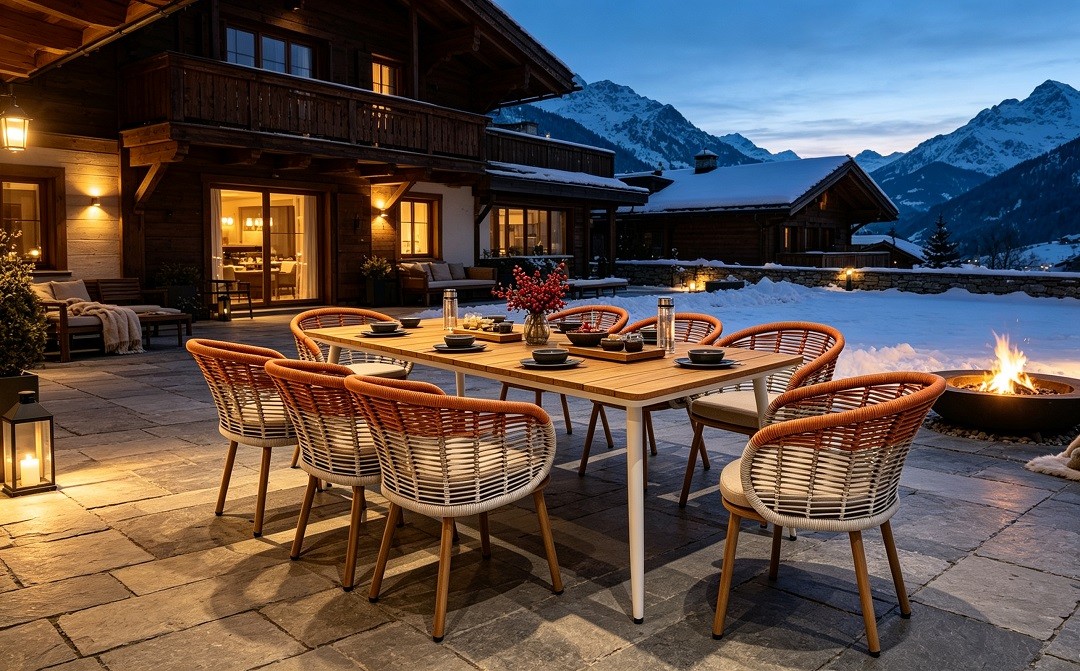
Hotel Furniture Design Trends: Form, Function, and Experience
The design language of hospitality furniture is evolving alongside its material palette. Three interconnected directions are shaping how furniture occupies and defines space.
Curved Forms and Cocooning Comfort
One of the strongest signals from recent design fairs is the rise of "cocooning" furniture: curved sofas, enveloping armchairs, soft modular seating, and lounge-style public areas. At HD Expo 2026, curved silhouettes, woven rope detailing, and softer organic forms appeared across manufacturer displays. These forms feel more residential and approachable than the hard-edged geometry of previous commercial furniture generations.
For hotel lobbies and resort lounges, curved seating creates intimacy without enclosure—pockets of privacy within larger social spaces. This aligns with the broader hospitality trend of layering different zones within a single floor plate, allowing a lobby to function as workspace, lounge, and social hub across the course of a day.
Modular and Multifunctional Solutions
Modular and multifunctional furniture—collapsible desks, under-bed storage systems, movable partitions—is gaining popularity, especially in urban and micro-room concepts. For luxury and lifestyle hotels, the emphasis is on bespoke, design-forward FF&E developed in collaboration with designers and artisans.
The procurement implication is significant: furniture that can be reconfigured or replaced in modules reduces lifecycle costs and allows hotels to refresh spaces without full replacement. For resort properties with seasonal occupancy patterns, this flexibility has direct revenue implications.
Architectural Seating That Shapes Space
Banquette-style seating has evolved from a space-efficiency tool into an architectural element. A long upholstered bench can establish rhythm, define the perimeter of a dining area, create visual privacy between tables, and introduce a large field of texture into an otherwise hard interior.
High-backed lounge chairs create small pockets of privacy without enclosing them. Darker timber frames prevent neutral upholstery from becoming visually flat. That balance between softness and structure is one of the clearest directions in current hospitality design.
Why Specification Decisions Matter More Than Ever
For procurement teams and hotel developers, the 2026-2027 cycle demands a more disciplined approach to FF&E specification. Three practical considerations should guide every decision:
Colour consistency across production batches. A lobby refit across multiple floors cannot survive visible shade drift between batches. Colour standards should be locked with physical master samples, and dye-lot tolerances written into supply agreements.
Performance textiles as the default specification. Retrofitting fabrics mid-cycle costs more than specifying them once. The performance textile baseline should shift from upgrade to standard before the next refurbishment window.
Certificates before contracts. Every sustainability claim should arrive with documentation before the tender closes. This protects the project from regulatory risk and ensures that green credentials are substantive rather than decorative.
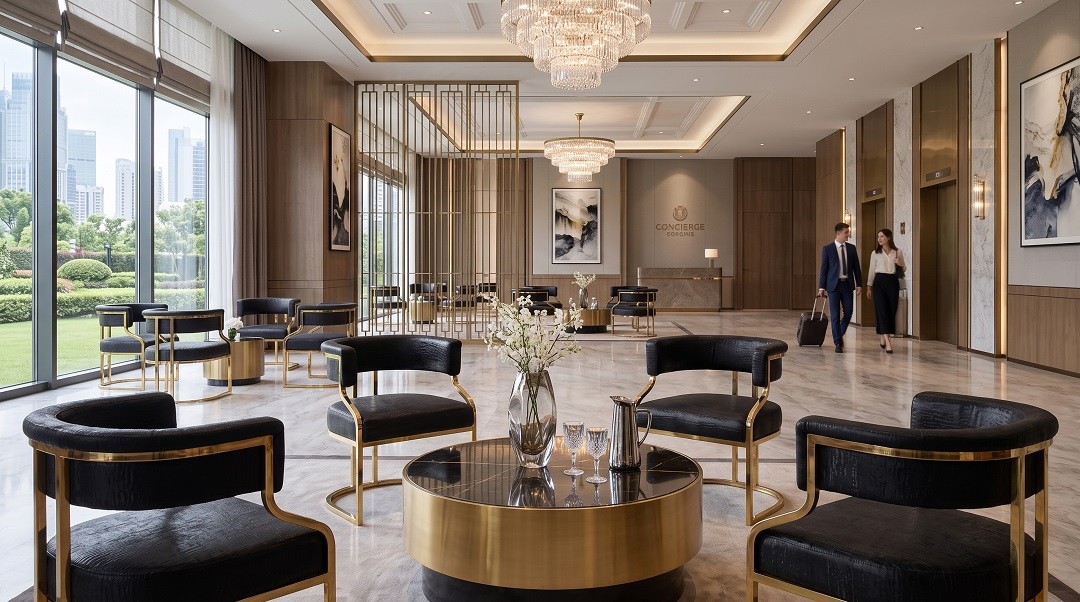
Partnering with a Hotel Furniture Manufacturer Who Understands Your Project
Selecting the right furniture partner for a luxury hotel or resort project is a decision that affects guest experience for years to come. The furniture in your lobby, restaurant, and guest rooms is not merely functional—it communicates your brand's values, supports operational efficiency, and shapes how guests remember their stay.
Karam Spaces operates at the intersection of design ambition and manufacturing precision. With over 20 years of experience supplying furniture to five-star hotel groups, resort developers, and high-end interior design firms, we bring three distinct capabilities to every project:
Bespoke design development. Our design team works with your architects and interior designers to translate concept boards into production-ready furniture that maintains the integrity of the original vision while meeting commercial performance standards.
Full-scene hospitality solutions. From lobby reception desks and lounge seating to guest room casegoods, restaurant banquettes, and outdoor terrace furniture, we provide coordinated solutions across all hotel zones—ensuring material and colour continuity throughout the property.
Documented quality and sustainability. Every product we manufacture is backed by performance test data, material certifications, and supply chain documentation. When your project requires FSC-certified timber, low-emission boards, or recycled content, we provide the paperwork to support the claim.
Whether you are planning a new-build luxury resort in Southeast Asia, renovating a heritage boutique hotel in Europe, or refreshing the public areas of an urban five-star property, our team is ready to discuss your project's specific requirements. We invite you to share your design intent, project timeline, and performance criteria with us.
Contact Karam Spaces today to request a project consultation, material samples, or a factory-direct quotation. Let's explore how our hotel furniture solutions can bring the warmth, texture, and durability that your 2026-2027 project deserves.