How To Evaluate A Custom Hotel Furniture Manufacturer In China: A Checklist For Designers And Procurement
- Share
- publisher
- Karam Spaces
- Issue Time
- Oct 28,2026
Summary
Always evaluate hotel furniture makers by the five documents—drawings, test reports, first articles, packing specs and real named refs—not showrooms.
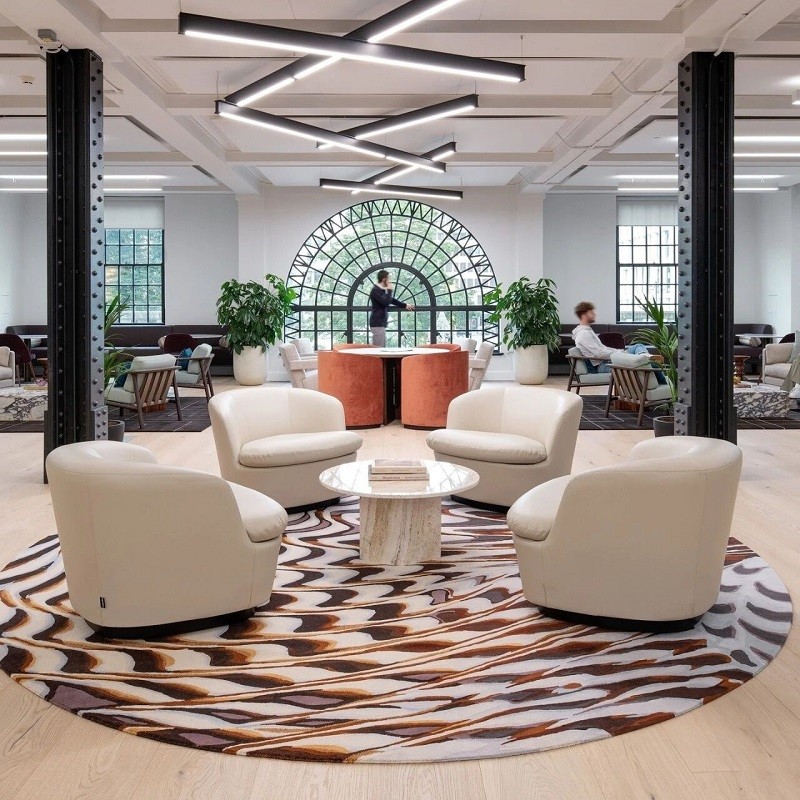
Every factory in Foshan can show you a polished showroom. Almost none can produce a recent shop drawing set on demand. That gap — between presentation and production discipline — is the single most reliable signal a luxury hotel or resort buyer can use when shortlisting a custom hotel furniture manufacturer in China.
For designers specifying FF&E for a five-star urban property or a beachfront resort, the risk is not finding a supplier. It is finding one whose first-article piece matches the approved sample, whose packing survives ocean transit, and whose fabric can still be matched two years later when the owner adds forty keys. Karam Spaces builds around that exact risk profile: a Custom Hotel Furniture Solution documented at every stage, from drawing to delivery.
Below are the five documents that separate a contract-grade hospitality partner from a showroom performer — and what each one proves about the manufacturer behind it.
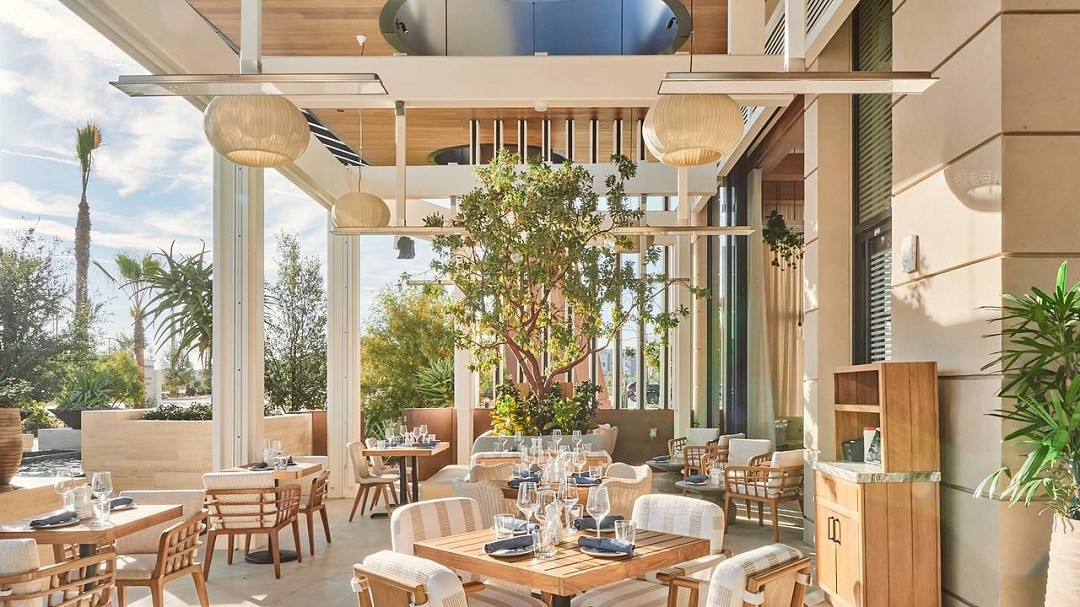
Document 1 — A Recent Shop Drawing Set: Does the Factory Draw to a Repeatable Standard?
Ask for a set from a delivered project, not a template. What you are checking is whether the manufacturer draws to a standard — tolerances stated, joints detailed, foam density specified per part — or whether they send outlines and improvise on the floor.
For luxury properties, this is where commercial durability begins. Hospitality furniture requires kiln-dried solid wood frames at 8–12% moisture content, mortise-and-tenon joinery rather than screws and staples, and high-resilience foam at ≥45 kg/m³. A drawing set that names those values is a document. A drawing set that omits them is a sales brochure.
Karam Spaces produces drawing sets for delivered hotel projects on request, because the standard is written before the first cut, not discovered during inspection.
Document 2 — A Material Sample With Its Test Report: Can They Substantiate the Claim?
A sample without a report is a colour, not a specification. Luxury resort and five-star hotel buyers cannot accept fabric that looks correct but fails under contract conditions.
Read the report scope, not just the cover page. For guest-room and public-area upholstery, commercial-grade fabrics should withstand 30,000+ Wyzenbeek double rubs or 40,000+ Martindale cycles; fire performance must meet the destination market’s code, whether CAL 117 in the United States or BS 5852 in the United Kingdom. For resort outdoor pieces, marine-grade 316L stainless steel and kiln-dried teak with natural oil resistance separate a poolside chair that lasts a season from one that lasts a decade.
Document 3 — First-Article Photos From a Delivered Project: What Is the Real Production Standard?
Not marketing photography. First-article images — the first piece off the line, before finishing touches — show what the production floor actually delivers when nobody is staging the shot.
Designers should look for three things in those photos: seam alignment on upholstered pieces, veneer continuity on casegoods, and hardware fit. Procurement should look for edge banding quality and whether the piece matches the approved mockup, not just the render. A manufacturer that photographs first articles as a habit is a manufacturer that expects to be checked. Karam Spaces documents first-article output from delivered hotel projects, including work for global hospitality groups.
Document 4 — A Packing Specification: Have They Thought About Arrival, or Only Departure?
Packing is the least glamorous and most revealing document a supplier has. It tells you whether they have considered how a custom piece arrives at a resort with a narrow service road, or only how it leaves the factory gate.
For luxury hotel projects, packing specifications should address crate construction, corner protection, moisture barriers for humid climates, and container utilisation. A supplier that cannot show a packing spec is implicitly telling you that transit damage will become your project’s problem — a cost that lands on the owner’s opening schedule, not the factory’s invoice.
Document 5 — A Named Reference You Can Call: Did the Delivery Actually Happen?
Not a logo wall. A named person, at a named property, who has agreed to take your call. A supplier with a real delivery record does not hesitate here; one without a record will offer a list of brands instead of a phone number.
Ask the reference what went wrong and how it was fixed. A genuine hospitality reference can describe a problem — a delayed custom finish, a revised hardware detail — and the route to resolution. A fabricated one can only describe success. Karam Spaces will connect prospective hotel and resort clients with named contacts at delivered properties, including Hyatt Regency Oryx Doha, Jumeirah Al Qasr, Hilton Dubai Al Habtoor City and NoMad London.
What Designers Ask That Procurement Forgets — and What Procurement Asks That Designers Forget
Designers carrying custom hotel furniture specifications should press on tolerances, fabric layout and repeat matching, and how a reorder in two years will match the original installation. These determine whether the built result honours the design intent.
Procurement should press on packing, container utilisation, hardware replaceability and the damage-replacement protocol. These determine what the property costs to operate, not just to buy.
The overlap matters most for luxury hotels and resorts: a fabric that cannot be matched from a later dye lot will force a floor-wide recover, and a hardware item that is not replaceable turns a single broken drawer pull into a custom order. A Custom Hotel Furniture Solution that addresses reorder continuity at specification stage — retaining the original dye-lot reference and a sealed standard sample — protects the owner long after the opening date.
How Karam Spaces Supports the Five-Document Standard
Karam Spaces is positioned specifically for high-end hotel and resort public spaces, with a product and service system that covers design coordination, OEM/ODM manufacturing, global shipping, on-site installation and long-term spare-parts support. The five documents are available on request because the manufacturer would rather be checked than believed.
For buyers evaluating suppliers efficiently, the Canton Fair in Guangzhou remains the practical starting point. Karam Spaces exhibits every year and brings drawing sets, samples with test reports, and delivered-project references to the stand. Capacity can be rented; discipline cannot be faked.
Ready to Evaluate a Hotel Furniture Manufacturer Against These Five Documents?
If you are specifying FF&E for a five-star hotel or luxury resort and want to see what a documented Custom Hotel Furniture Solution looks like, contact Karam Spaces directly. Request a recent shop drawing set, a material sample with its test report, or a named reference from a delivered project. Send your room matrix, drawing references and target delivery window, and the team will respond with the documents that matter — before any showroom conversation begins.