The Art Of Furniture Selection And Spatial Design For Hotel Public Leisure Area
- Share
- publisher
- Karam Spaces
- Issue Time
- Apr 24,2026
Summary
Strategic furniture selection and spatial design for hotel public areas—prioritizing durability, modularity, comfort, brand alignment, biophilia, sustainability, tech, and hygiene.
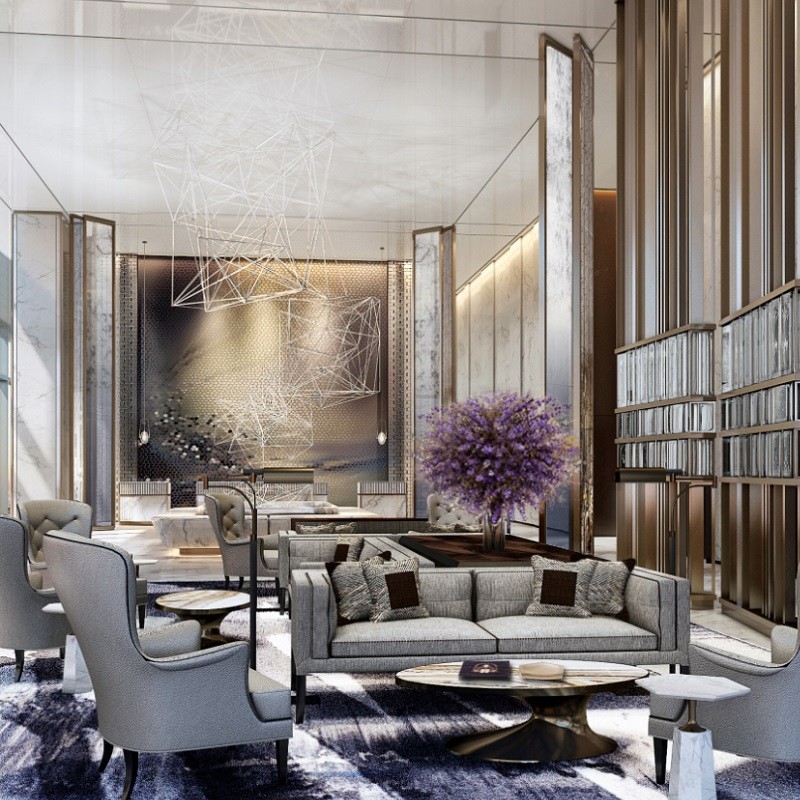
The contemporary hotel guest seeks an experience that transcends basic accommodation. Public areas have thus transformed into multifunctional landscapes that cater to diverse needs: remote work, social gatherings, quiet contemplation, and wellness activities. This shift demands a holistic design approach where architecture, interior design, and furniture are seamlessly integrated. The furniture within these spaces acts as the primary interface between the guest and the environment, directly influencing comfort, perceived value, and the duration of stay. A well-designed lounge sofa or a strategically placed cluster of chairs can encourage socialization, while a thoughtfully arranged quiet nook can offer a much-needed respite. The challenge and opportunity lie in selecting pieces that are versatile, durable, and aligned with the hotel’s overarching story, whether it’s one of heritage luxury, tech-forward minimalism, or eco-conscious retreat.
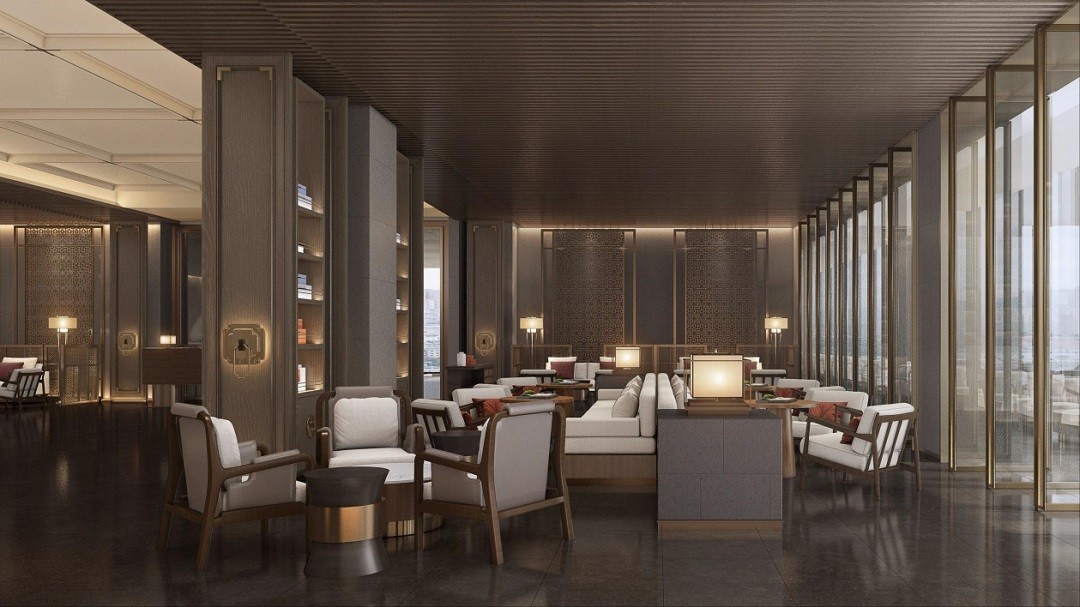
Key Principles for Furniture Selection in Public Zones
Selecting furniture for high-traffic public areas requires balancing several critical principles beyond mere aesthetics.
1. Durability and Performance
Public leisure areas endure constant use. Furniture must be constructed to withstand this demand. As highlighted in industry analyses, metal frames—particularly powder-coated steel or aluminum—offer exceptional strength and a sleek profile, with aluminum providing excellent corrosion resistance for humid or coastal environments like pool areas. For indoor lobbies, hardwoods and high-quality engineered woods provide robustness, while upholstery requires fabrics with high Martindale rub counts or easy-to-clean, performance-grade leathers. The investment in quality materials upfront prevents frequent replacements and maintains a polished appearance over time.
2. Flexibility and Modularity
The need for adaptable spaces is a dominant trend. Modular sofa systems and lightweight, rearrangeable seating units allow hotels to reconfigure their layouts effortlessly—transforming a lobby from a daytime co-working setup into an evening cocktail lounge, or adjusting poolside seating for different group sizes. This flexibility maximizes space utility and enables hotels to respond dynamically to varying occupancy and event needs.
3. Comfort as a Non-Negotiable Standard
Comfort is the ultimate measure of success in leisure areas. Ergonomically designed seating with proper lumbar support, adequate seat depth, and high-resilience cushioning is essential. The trend towards deeper, plusher sofas and chairs with adjustable features underscores the industry’s focus on creating inviting spaces where guests willingly linger.
4. Cohesive Aesthetic and Brand Alignment
Every furniture piece contributes to the visual narrative. A grand, hand-carved royal sofa can instantly anchor a heritage luxury lobby, reinforcing a narrative of opulence and history. Conversely, a collection of sleek, minimalist circle chairs in powder-coated frames can define a boutique hotel’s modern, artistic vibe. The style, color palette, and materiality of the furniture must be a direct extension of the hotel’s brand identity, creating a consistent and memorable experience from the moment a guest enters.
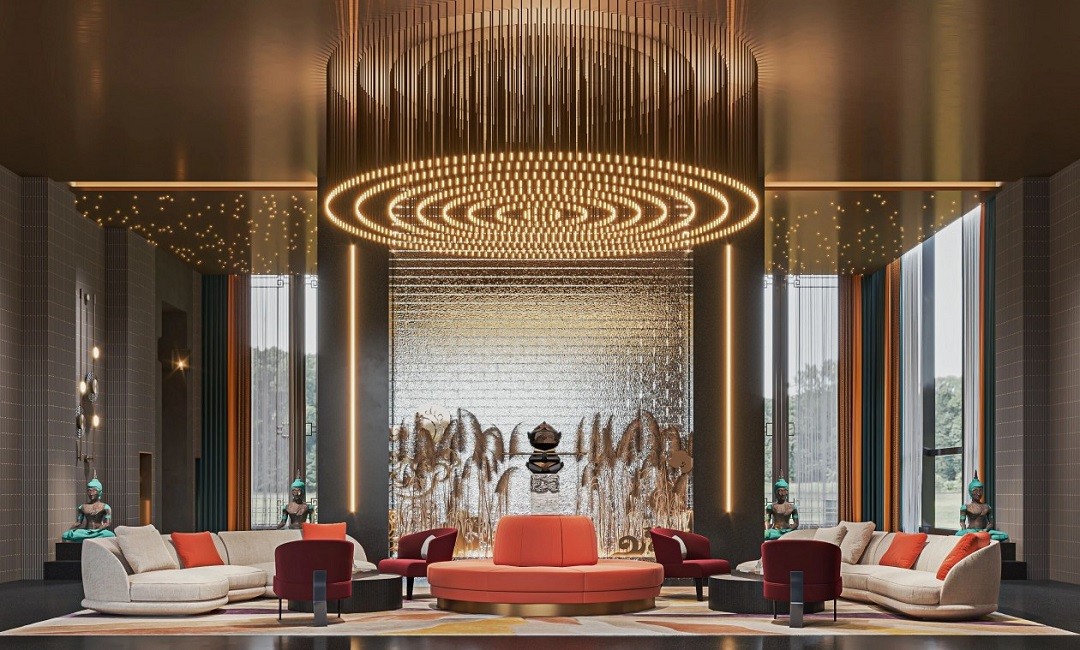
Integrating Current Trends into Public Space Design
The most forward-thinking public spaces incorporate leading industry trends into their furniture schemes:
- Biophilic Design: Integrating natural elements through furniture is a powerful trend. Using chairs with wooden frames and natural finishes, incorporating organic shapes that mimic nature, and selecting materials like stone or rattan helps blur the boundaries between indoors and outdoors, promoting guest well-being. An interior courtyard or terrace furnished with weather-resistant wooden pieces and lush greenery creates a natural oasis within the hotel.
- Sustainable and Ethical Sourcing: Environmental responsibility is a core consideration for both operators and guests. Selecting furniture made from recycled materials (like metals or plastics), rapidly renewable resources (like bamboo), or certified sustainable wood is increasingly expected. Furthermore, partnering with manufacturers who employ ethical production and sustainable practices enhances the hotel’s brand story and appeals to the eco-conscious traveler.
- Technology Integration Discreetly: The modern guest expects seamless connectivity. This can be elegantly addressed through furniture with integrated wireless charging pads, discreet USB ports in sofa arms or table bases, and built-in power modules for laptops. The key is to embed these technologies without disrupting the design aesthetic, maintaining clean lines and visual tranquility.
- Hygiene and Easy Maintenance: In the post-pandemic era, easy-to-clean surfaces remain a priority. Furniture with non-porous materials, removable and washable cushion covers, and antimicrobial fabric treatments offers peace of mind to guests and simplifies upkeep for hotel staff, ensuring spaces always appear fresh and cared for.
Spatial Planning and Layout Strategies
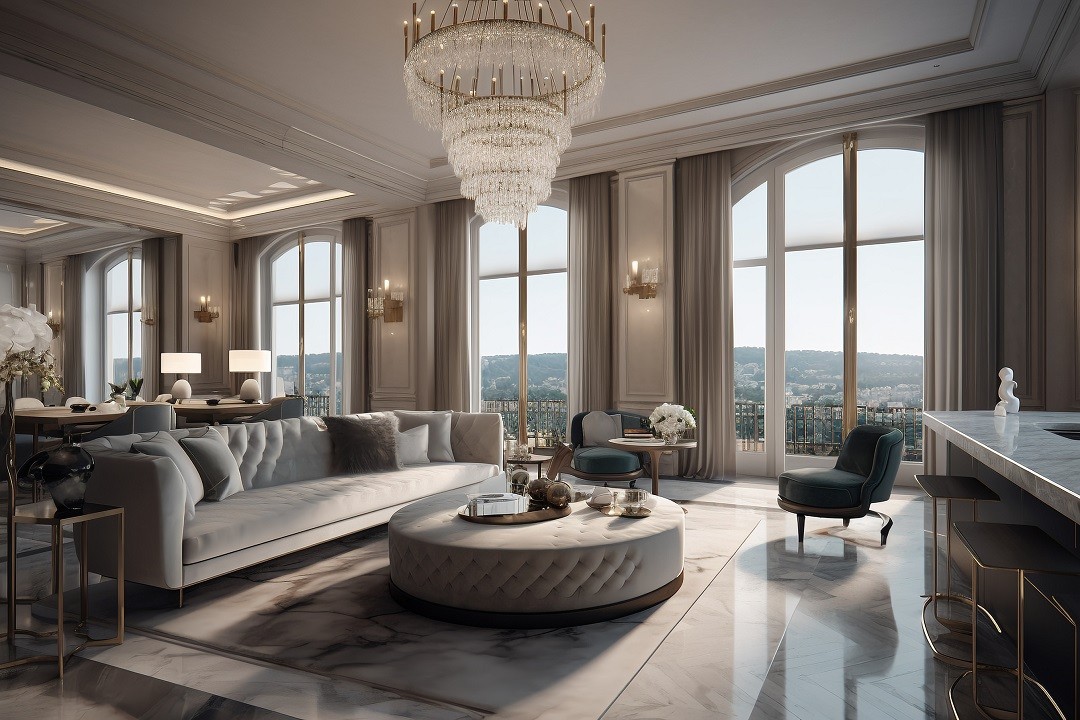
Effective furniture selection is meaningless without intelligent spatial planning. The layout must facilitate intuitive movement (clear pathways), create zones for different activities (social, work, solitude), and leverage focal points like fireplaces, art pieces, or stunning views. Arranging furniture in conversational groupings encourages interaction, while standalone chairs near windows or in quieter corners cater to guests seeking solitude. The scale of the furniture must be proportionate to the space; oversized sectionals can overwhelm a modest lobby, while pieces that are too small can make a grand space feel vacant and impersonal.
Conclusion: A Strategic Investment in Guest Experience
Ultimately, the careful crafting of hotel public leisure areas through thoughtful furniture selection and spatial design is a strategic investment. It directly impacts guest satisfaction, online reviews, and the property’s ability to command a premium rate. By prioritizing durability, flexibility, comfort, and aesthetic cohesion while embracing trends in sustainability and technology, hotels can create powerful, Instagram-worthy spaces that guests not only remember but actively seek out. For hotel developers and operators, partnering with a furniture manufacturer that understands these complexities and can deliver customized, high-performance solutions is a critical step in building a truly distinctive and successful hospitality venue.