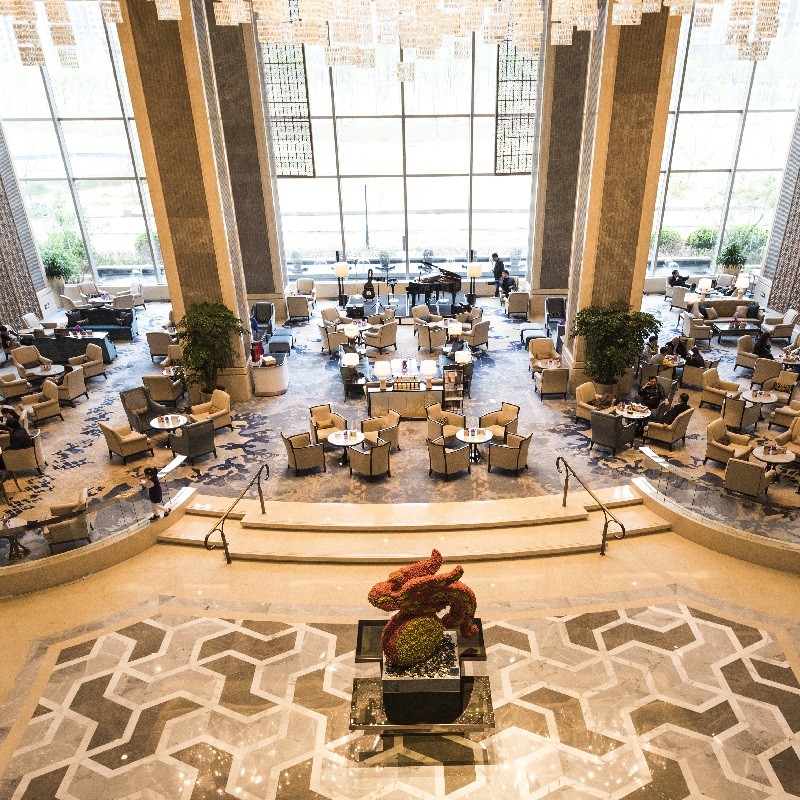
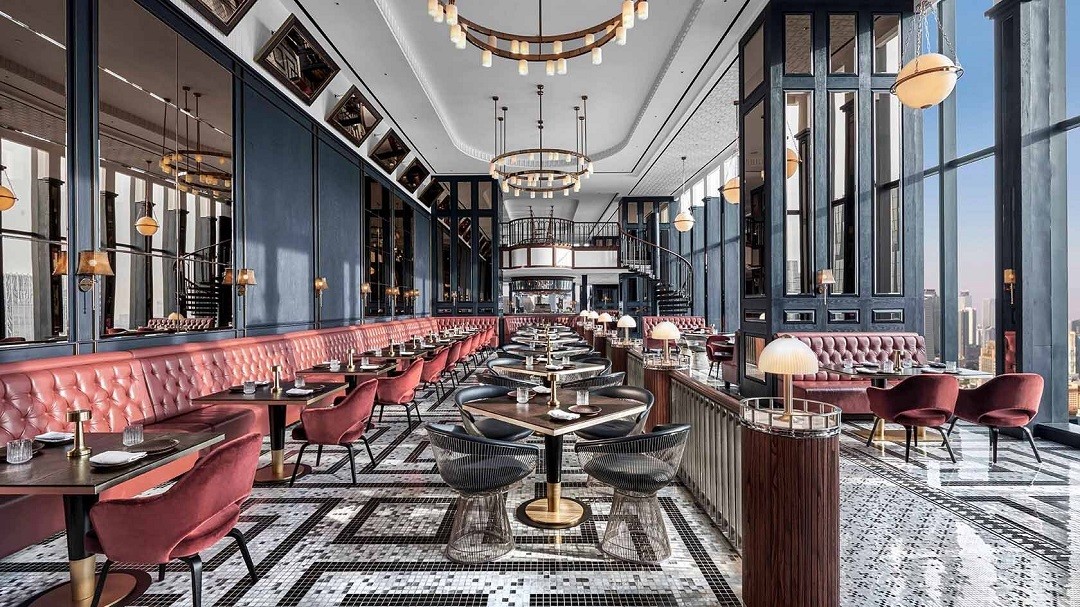
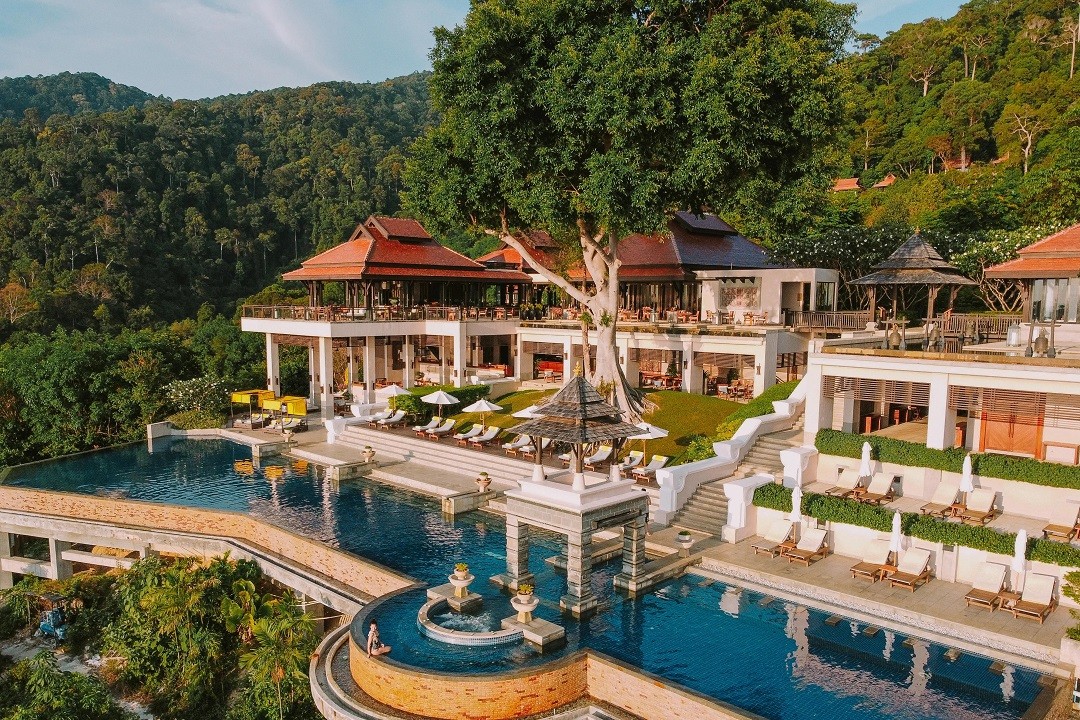
A hotel is more than just a place to sleep; it is a self-contained ecosystem designed to cater to the diverse needs of its guests. Each area within a hotel serves a distinct purpose, contributing to an overall experience of comfort, convenience, and sometimes, luxury. From the moment guests step through the doors to the time they retire to their private quarters, they journey through a series of thoughtfully designed spaces. Let us explore the ten core areas that define the modern hotel: the Lobby, Dining Restaurant, Bar, Café, Rooms, Leisure Area, Banquet Hall, Swimming Pool, and Gymnasium.
The Lobby: The Grand First Impression
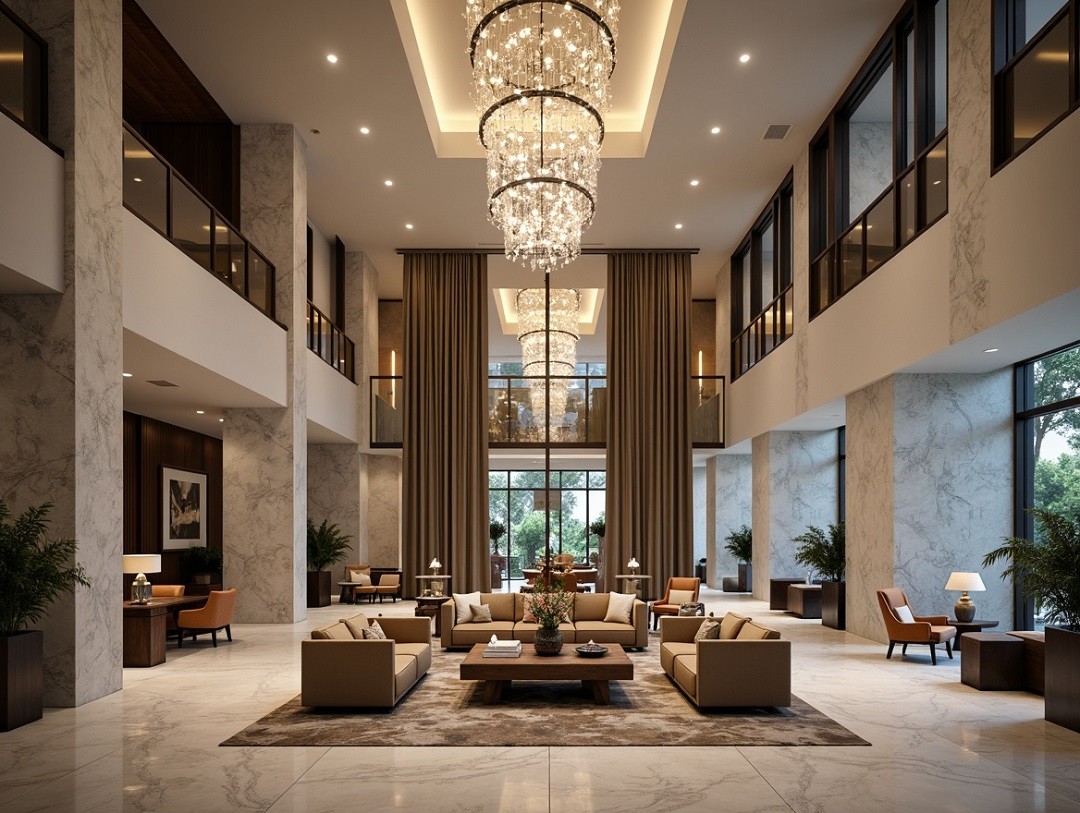
The lobby is the hotel’s beating heart and its visual business card. It is where first impressions are forged and lasting memories begin. Far from being merely a transit point, the contemporary lobby is a multifunctional space designed to welcome, impress, and facilitate. Architecturally, it often features soaring ceilings, elegant flooring, and statement lighting. The concierge desk stands ready to orchestrate a guest’s stay, while comfortable seating arrangements in plush armchairs and sofas invite conversation, casual business meetings, or quiet contemplation. The ambiance is carefully curated through a blend of subtle music, ambient scent, and artful decor that reflects the hotel’s brand identity. It is a social hub, a waiting area, and a showcase of hospitality, setting the tone for the entire stay.
The Dining Restaurant: A Culinary Journey
Hotels typically house at least one primary restaurant, offering a significant culinary experience. This is not just a feeding station but a destination in itself. Operating for breakfast, lunch, and dinner, the main restaurant often features diverse themes—from international buffets showcasing global cuisines to fine-dining establishments with à la carte menus crafted by acclaimed chefs. The design prioritizes comfort and atmosphere, with attention to table spacing, linen quality, lighting, and acoustics. Service is formal yet warm, with knowledgeable staff guiding guests through wine pairings and seasonal specialties. For many travelers, the hotel restaurant provides a reliable and convenient gateway to local flavors or a taste of home in an unfamiliar city.
The Bar: An Oasis of Social Elegance
Adjacent to or separate from the restaurant, the bar offers a more intimate and spirited ambiance. It is a sanctuary for socializing, unwinding after a day of meetings or sightseeing, or enjoying a pre-dinner aperitif. Hotel bars range from classic, wood-paneled whiskey lounges with leather chairs to modern rooftop bars boasting panoramic city views. The atmosphere is defined by softer lighting, sophisticated music, and the gentle clink of glassware. A skilled mixologist is often the star, crafting classic cocktails and innovative signatures. The bar serves as a social equalizer, a place where solo travelers, couples, and groups can mingle in a relaxed yet refined setting.
The Café: Casual Comfort and Connectivity
The café offers a more casual, accessible alternative to the formal restaurant. Often located near the lobby or with street access, it provides a constant flow of refreshments throughout the day. This is the realm of freshly brewed coffee, specialty teas, pastries, sandwiches, and light snacks. The vibe is informal and lively, with a mix of small tables, communal seating, and often, ample power outlets. It caters to guests needing a quick breakfast, a casual business chat, or a quiet corner to work on a laptop. The café embodies convenience and comfort, acting as the hotel’s casual living room.
Guest Rooms: The Private Sanctuary
The guest room is the ultimate private retreat, the core product of any hotel. It is a personal sanctuary designed for rest, relaxation, and recuperation. Modern guest rooms are studies in efficient luxury, maximizing space and comfort. Key elements include a supremely comfortable bed with high-quality linens, a dedicated work desk with ergonomic chair, ample lighting, climate control, and a well-appointed en-suite bathroom. Technology is seamlessly integrated, offering high-speed Wi-Fi, smart TVs, and convenient charging stations. Beyond functionality, the room’s decor, color palette, and amenities like a minibar, coffee maker, and blackout curtains are all curated to provide a sense of home-like comfort and security in a foreign place.
The Leisure Area: Unstructured Relaxation
Distinct from specific activity-based facilities, the leisure area is a flexible space dedicated to passive relaxation and informal socialization. This might include a library nook with books and board games, a sunlit conservatory with abundant greenery, a media room with plush seating, or a dedicated lounge for premium guests. These areas are characterized by exceptionally comfortable furniture, quiet ambiance, and an invitation to linger. They provide an escape from the bedroom without the structured setting of a food and beverage outlet, allowing guests to read, converse, or simply gaze out the window in peaceful solitude.
The Banquet Hall: The Stage for Events
The banquet hall represents the hotel’s capacity for grandeur and large-scale hospitality. This is a versatile, modular space designed to host a wide array of events, from corporate conferences, product launches, and gala dinners to weddings, social celebrations, and exhibitions. Equipped with state-of-the-art audiovisual technology, customizable lighting, and stages, these halls can be partitioned to suit different group sizes. A dedicated events team works behind the scenes to manage catering, décor, and logistics. The banquet hall transforms the hotel from a provider of individual lodging to a premier venue for collective experiences and milestone celebrations.
The Balcony: A Breath of Fresh Air
While not present in every room, a balcony is a highly prized feature that extends the living space outdoors. It offers a private outdoor haven, a bridge between the comfort of the interior and the vibrancy of the exterior environment. Whether overlooking a city skyline, a garden, or the sea, a balcony provides guests with a personal space to enjoy morning coffee, an evening drink, or simply fresh air. Furnished with a small table and chairs, it becomes an intimate spot for reflection or conversation, enhancing the sense of space and connection to the destination.
The Swimming Pool: A Liquid Retreat
The swimming pool is a hallmark of resort and urban luxury hotels, symbolizing leisure and recreation. It serves as a centerpiece for relaxation and gentle activity. Pools can range from serene, lagoon-style designs surrounded by tropical landscaping to sleek, indoor infinity pools with dramatic views. The surrounding pool deck, with its sun loungers, towels, and service from poolside attendants, creates a resort-like atmosphere. For many guests, the pool is not for swimming laps but for floating, sunbathing, and enjoying a sense of holiday indulgence. It’s a social space for families and a tranquil one for those seeking quiet repose under the sun.
The Gymnasium: The Wellness Engine
The modern hotel gymnasium, or fitness center, is a critical amenity catering to health-conscious travelers. It has evolved from a small room with basic equipment to a comprehensive wellness space. A well-equipped gym features a range of cardio machines (treadmills, ellipticals, stationary bikes), strength training equipment, free weights, and often, space for functional training or yoga. High-end hotels may include additional features like virtual fitness classes, personal training services, and even wellness zones with relaxation areas. Open 24/7, it allows guests to maintain their fitness routine, manage stress, and counterbalance the indulgences of travel, providing a vital sense of normalcy and well-being on the road.
Conclusion
In conclusion, a hotel is a meticulously choreographed environment where each zone plays a vital role in the guest’s narrative. From the public grandeur of the lobby and banquet hall to the private solace of the guest room and balcony, and from the social energy of the restaurant and bar to the rejuvenating pursuits in the pool and gym, these areas work in harmony. Together, they transcend mere functionality to create a holistic experience, ensuring that every need—be it business, pleasure, nourishment, or rest—is met with professionalism and care within the hotel’s walls.