What Is FF&E In Hotels? A Plain-English Definition For Owners And Procurement Teams
- Share
- publisher
- Karam Spaces
- Issue Time
- Nov 20,2026
Summary
FF&E in hotels means furniture, fixtures and equipment: the movable, replaceable, capitalised assets that are not part of the building structure, including beds, casegoods, seating, tables, lighting, artwork, bathroom fittings and soft goods. In five-star projects, FF&E typically represents 8%–10% of total development cost and is funded separately from construction and operating supplies.
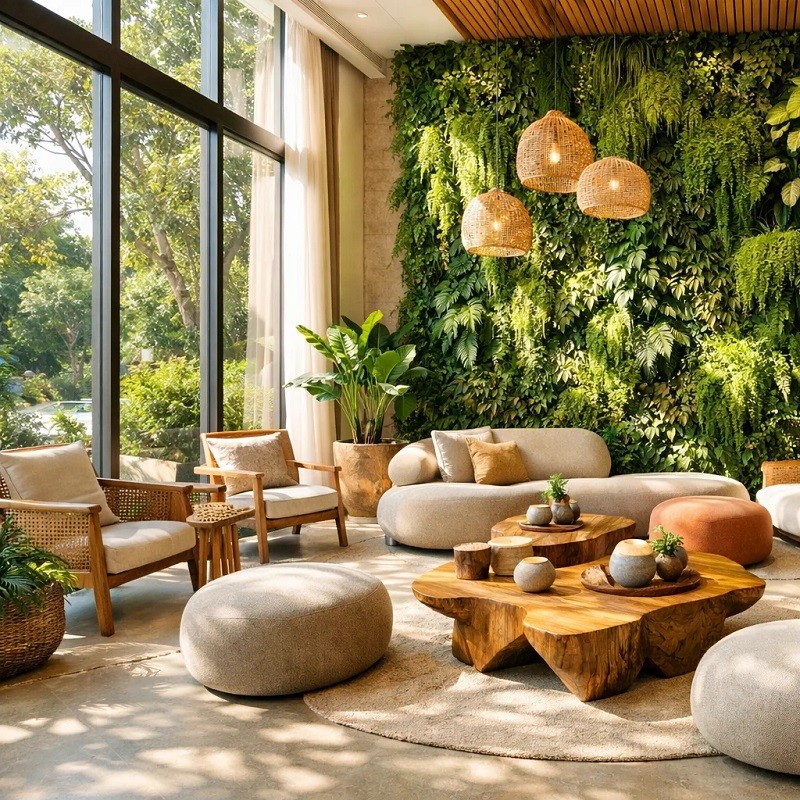
FF&E in hotels means furniture, fixtures and equipment: the movable, replaceable, capitalised assets that are not part of the building structure, including beds, casegoods, seating, tables, lighting, artwork, bathroom fittings and soft goods. In five-star projects, FF&E typically represents 8%–10% of total development cost and is funded separately from construction and operating supplies. For procurement questions beyond the scope of this article, see the Karam Spaces FAQ library. This definition is written for hotel owners, asset managers, FF&E procurement directors and project managers who need a shared vocabulary before a tender is issued. It supports one decision: which items belong in the FF&E budget, which belong to OS&E, and which belong to construction — because that classification decides who pays, who approves and who replaces the item in year five. Direct Answer: FF&E stands for Furniture, Fixtures and Equipment. FF&E stands for Furniture, Fixtures and Equipment. In a hotel it covers everything specified, movable and replaceable that is not fixed into the structure, plus the fixtures that are attached but replaceable, such as bathroom fittings, lighting and window treatments. It excludes the building, the MEP systems and the consumables a hotel buys every week. The movable assets in that definition are commercial hotel furniture: contract-grade pieces engineered for daily turnover rather than residential use. The useful test is not the object; it is the accounting and the replacement cycle. A bed is FF&E because it is capitalised and replaced on a cycle. A bath towel is OS&E because it is expensed and replaced monthly. A lift is neither; it is part of the building and depreciates with it. Most disputes in hotel projects come from applying the object test instead of the accounting test. That distinction matters more in 2026 than it did a decade ago, because the volume is enormous. Lodging Econometrics recorded 2,433,948 rooms in the global pipeline at Q2 2026, with 521,849 rooms in renovation or conversion. Each of those rooms carries a defined FF&E scope, and each scope is approved by a different combination of owner, brand and operator. Direct Answer: Three terms are used almost interchangeably in project meetings, and they should not be. Three terms are used almost interchangeably in project meetings, and they should not be. The table below is the version we hand to owners at kickoff, because it stops the budget conversation from drifting. A hospitality furniture supplier should state in writing which items are FF&E, which are OS&E and which are soft goods, because the three are specified, taxed and depreciated differently. Figure 1 · FF&E, OS&E and soft goods compared Classification follows USALI conventions and management-agreement practice; confirm the treatment with your operator and auditor before fixing the budget. The FF&E versus OS&E confusion is expensive in both directions. Budget FF&E tightly and manage OS&E loosely, and the OS&E invoice arrives when the FF&E is already committed, so the shortfall is taken out of furniture. Budget OS&E as an afterthought, and a hotel opens with a beautiful lobby and insufficient linen to run housekeeping for a full occupancy night. Direct Answer: A hotel ffe package is easiest to audit zone by zone. A hotel ffe package is easiest to audit zone by zone. The list below is the standard inclusion logic for a five-star asset; the quantities come from the room schedule, but the categories rarely change. Properties with pool decks, terraces and beach zones need a separate room-by-room annex from the resort furniture supplier; outdoor ranges rarely share finishes or lead times with guestroom casegoods. Figure 2 · Room-by-room inclusion logic Guest room Bed base and mattress set, headboard, nightstands, desk and chair, wardrobe or closet system, armchair, luggage bench, lamps, mirror, artwork, blackou Bathroom Vanity unit, countertop, mirror, shelving, stool, towel rails, shower fittings where replaceable Lobby and lounge Sofa systems, lounge chairs, coffee and side tables, consoles, rugs, floor and table lamps, art programme Restaurant and bar Dining chairs, banquettes, bar stools, dining and bar tables, side stations in furniture form Pool deck and outdoor Sun loungers, daybeds, outdoor dining sets, side tables, parasols and bases where movable Back of house Lockers, worktables, breakroom seating, office furniture Software, safes, minibar units and AV are frequently split into a separate equipment package; agree the boundary at tender stage. Two inclusions are consistently missed. First, the art programme: on a luxury asset it can be 3%–6% of the FF&E value and needs its own freight and installation plan, which is why we list it as a distinct package. Second, spares: 2%–4% of installed value in critical SKUs, held at the property or in a regional warehouse, because a damaged dining chair in year two should not require a new production run. Direct Answer: Ownership is shared, but accountability is not. Ownership is shared, but accountability is not. In a well-run project every FF&E decision has one accountable role, one approver and one document. Where that is unclear, the designer specifies, the operator objects, the owner value-engineers and the supplier absorbs the difference in a change order. Figure 3 · Decision ownership across a five-star project Design intent and FF&E selection Interior designer Brand standard compliance Brand technical services Budget and per-key allowance Owner’s representative / cost consultant Specification and performance criteria Designer with procurement Supplier award Procurement director Mock-up sign-off Designer and operator Installation acceptance Supplier and contractor Where an operator manages the asset, the management agreement usually sets the approval matrix and the FF&E reserve mechanics. The owner’s leverage sits in the documents, not the meetings. A signed spec book, a frozen drawing register and a mock-up report are the three instruments that make a later change a priced change order rather than a favour. That is also why the hotel furniture spec book deserves to be built before the tender, not after the first quote arrives. Direct Answer: Before a design package is released it should answer five questions: does every zone in the room schedule have a named item, and is the quantity consistent with the key count; does every item carry a material and finish that a factory can source in the require Before a design package is released it should answer five questions: does every zone in the room schedule have a named item, and is the quantity consistent with the key count; does every item carry a material and finish that a factory can source in the required volume; is the performance standard stated as a test method rather than an adjective; is the interface to fixed millwork dimensioned; and is the package complete enough that two suppliers would price the same scope. If the answer to the last question is no, the package is a concept, not a procurement document. Direct Answer: The first is specifying a residential product for a contract environment. The first is specifying a residential product for a contract environment. A chair rated for domestic use will not survive 60,000 Martindale cycles and daily disinfection. The second is specifying a colour by name rather than by control sample and Delta E tolerance, which guarantees a mismatch between the mock-up and the production run. The third is omitting the cleaning regime; a five-star housekeeping team uses stronger chemistry than a residential buyer, and a finish that cannot tolerate it will fail inside the first year. Our hospitality furniture price list guide shows how each of these mistakes reappears as a cost line. Direct Answer: HVS’s 2025 U.S. HVS’s 2025 U.S. survey is the clearest public benchmark for scale. Median all-in development cost was USD 219,000 per room across all categories, from USD 167,048 for limited-service to USD 1,057,094 for luxury, with FF&E budgeted at 8%–10% of the total in every segment. On a 200-key luxury project that is roughly USD 17 million of furniture, fixtures and equipment before freight and installation. In mixed-use properties outdoor resort furniture absorbs a disproportionate share of the contingency, because exposure testing and shorter replacement cycles are priced into the original allowance. That figure then has to be sustained, not just spent. The industry convention for an FF&E reserve is 4%–5% of total revenue, yet the ISHC/HAMA CapEx study found actual hotel capital spending averaging about 9% of revenue and USD 5,147 per available room over a multi-year horizon. The gap is why so many hotels refresh late, and why the procurement decision at opening determines the cost of the next renovation a decade later. It also determines what guests experience. J.D. Power’s 2025 North America study, based on 39,219 guests across 102 brands, found satisfaction improving specifically in investment-heavy areas: condition of furnishings and décor, bathroom fixtures and bed comfort. The FF&E budget is not a decorating line. It is the part of the capital plan that guests can feel. When you are ready to price a scope, request a hotel furniture quote with your room schedule and brand standard. Our indoor hotel furniture, outdoor hotel furniture, hotel art collections and hotel accessories ranges are all quoted against the same classification logic used in this article. Figure 4 · Key Percentages Cited In This Article Figures quoted in the article body; see the source list for provenance. FF&E is furniture, fixtures and equipment: movable, replaceable, capitalised items such as beds, casegoods, seating, tables, lamps, artwork and bathroom fittings. It excludes the building structure, MEP systems and the consumables classified as OS&E. No. FF&E is capitalised and replaced every five to ten years. OS&E is expensed and replaced every few months to three years, covering linen, tableware, small equipment and operating supplies. Mixing the two distorts both the capital budget and pre-opening costs. The owner funds it and approves the budget; the designer specifies it; the brand or operator approves compliance; the procurement director awards suppliers. Each decision needs one accountable role, one approver and one signed document. HVS’s 2025 U.S. survey places FF&E at 8%–10% of total development cost across segments, from limited-service to luxury. Because total cost per room rises sharply by segment, the absolute FF&E figure rises much faster than the percentage suggests. If you need a shared vocabulary before your next tender, we can help. Send us your room schedule and we will return a zone-by-zone classification of what belongs in FF&E, what belongs in OS&E and what should stay with the contractor — free of charge, within three working days. Request a hotel furniture quote to start, or work with a hotel furniture supplier who can price the whole package against your brand standard. For procurement definitions and lead-time questions, our hotel furniture FAQ covers the rest.Quick Answer
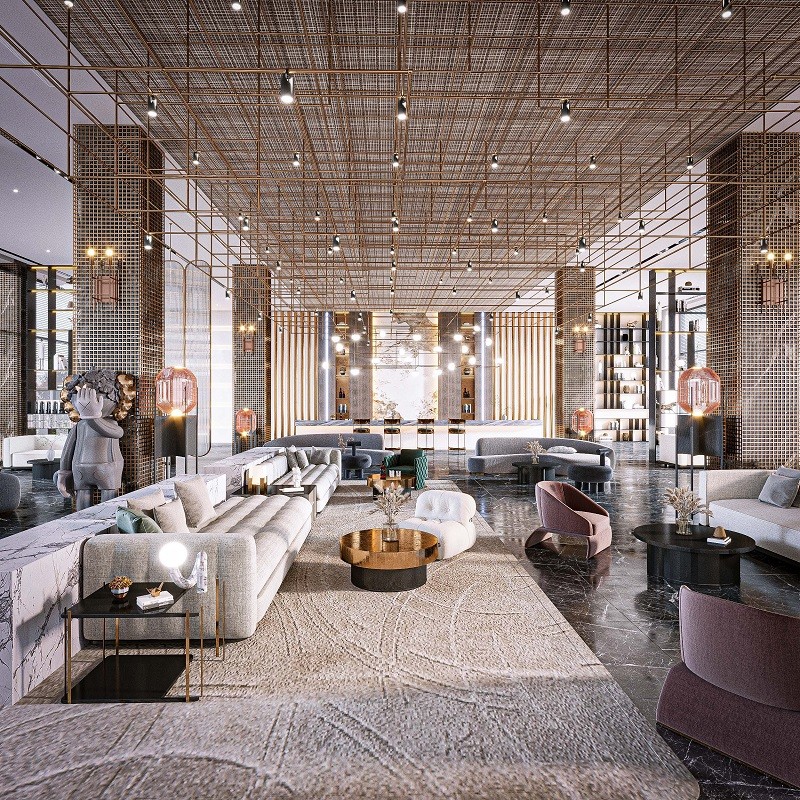
The 40-Word Definition
Hotel FFE Package Vs OS&E Vs Soft Goods: What Buyers Confuse
Category
What it covers
Accounting
Typical service life
Who funds it
FF&E (furniture, fixtures, equipment)
Casegoods, seating, tables, beds, lamps, artwork, bathroom fittings, window treatments, guest-room electronics
Capitalised, depreciated
5–10 years (soft goods shorter, casegoods longer)
Owner capital budget, or FF&E reserve
OS&E (operating supplies and equipment)
Linen, towels, glassware, cutlery, small kitchen equipment, housekeeping carts, uniforms, amenities
Expensed, often inventory
3 months to 3 years
Pre-opening budget, then operating expense
Soft goods
Carpet, drapery, upholstery, bedding, wall covering, decorative lighting shades
Capitalised within FF&E, sometimes tracked separately
4–7 years in high-use properties
FF&E reserve and periodic refresh
Construction / base building
Structure, MEP, lifts, façade, fixed joinery that cannot be removed without altering the building
Capitalised as building
20–40 years
Development loan and owner equity
What A Hotel FFE Package Includes Room By Room
Zone
Included in FF&E
Usually excluded (OS&E or construction)
Guest room
Bed base and mattress set, headboard, nightstands, desk and chair, wardrobe or closet system, armchair, luggage bench, lamps, mirror, artwork, blackout drapery
Bed linen, pillows, minibar contents, tea and coffee supplies, safes (often owner-supplied equipment)
Bathroom
Vanity unit, countertop, mirror, shelving, stool, towel rails, shower fittings where replaceable
Tiles and waterproofing, sanitaryware rough-in, towels and bathrobes, amenities
Lobby and lounge
Sofa systems, lounge chairs, coffee and side tables, consoles, rugs, floor and table lamps, art programme
Fixed reception desk millwork, planting and florals, background music systems
Restaurant and bar
Dining chairs, banquettes, bar stools, dining and bar tables, side stations in furniture form
Kitchen equipment, tableware, glassware, linen, fixed bar millwork
Pool deck and outdoor
Sun loungers, daybeds, outdoor dining sets, side tables, parasols and bases where movable
Pool structure and filtration, fixed cabanas, towel stock
Back of house
Lockers, worktables, breakroom seating, office furniture
IT hardware, security systems, consumables
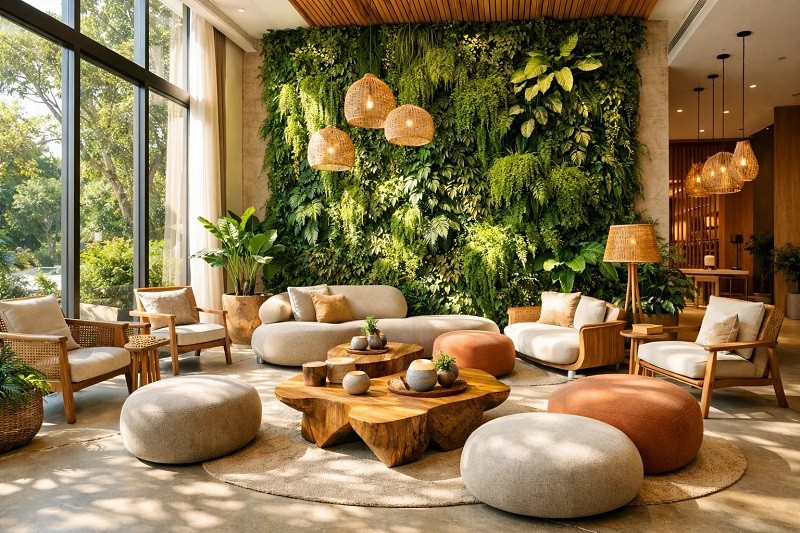
Who Owns FF&E Decisions In A 5-Star Hotel Project
Decision
Recommends
Approves
Document
Design intent and FF&E selection
Interior designer
Owner with brand/operator input
FF&E schedule and mood boards
Brand standard compliance
Brand technical services
Brand (mandatory)
PIP or brand standard letter
Budget and per-key allowance
Owner’s representative / cost consultant
Owner investment committee
FF&E cost plan
Specification and performance criteria
Designer with procurement
Owner’s technical lead
Spec book and data sheets
Supplier award
Procurement director
Owner (above threshold)
Tender evaluation and PO
Mock-up sign-off
Designer and operator
Owner’s representative
Mock-up approval report
Installation acceptance
Supplier and contractor
Owner with operator
Handover and defect log
The Ff And E Design Package: A Five-Line Checklist
The Contract Furniture Specification Guide: Three Mistakes That Cost The Most
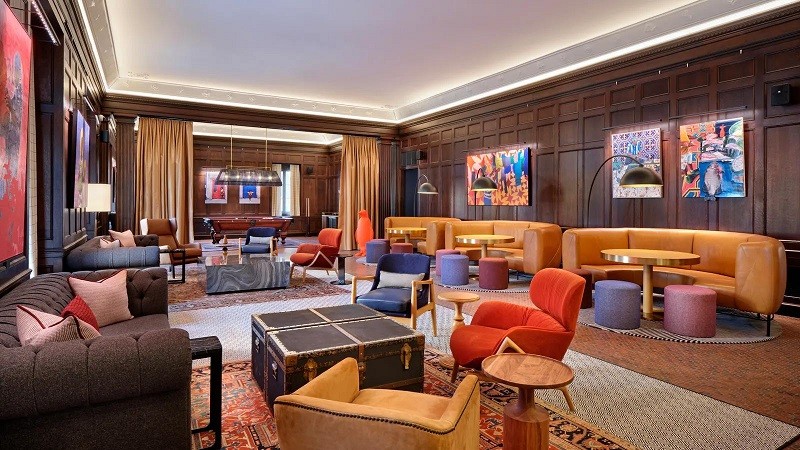
The Budget Context: What FF&E Really Represents
Frequently Asked Questions
Q1: What is FF&E in hotels and what does it include?
Q2: Is FF&E the same as OS&E?
Q3: Who owns FF&E in a hotel?
Q4: How much of a hotel budget is FF&E?
Next Step